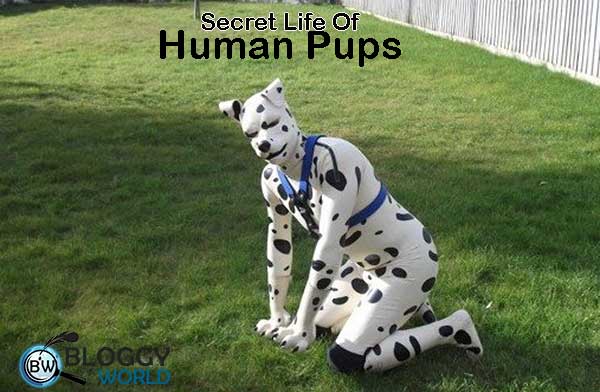
Human pups are persons who dress and behave like dogs. Human pups (human dogs) enjoy role-playing as dogs as part of a lifestyle known as human pup play. Groups of human pups (Human dogs) gather in different areas of Australia, where they learn to act and move like real dogs. There are around 10,000 human pups in Europe, Asia, and the USA combined. The UK has a big community of pup enthusiasts. Let’s Explore the World of Human Pup Play.
What does human pup mean?
A “human pup” is someone who enjoys pretending to be a pet dog as part of a lifestyle or fun activity called “puppy play” or “human pup play.” People who identify as human pups (Human dogs) act like dogs. Wearing dog-like clothes and gear, playing with dog toys, and behaving like a dog (like barking or wagging their “tail”). While human pup play is often linked to BDSM or kink. It can also be a way for people to express themselves, relax, or explore power dynamics.
What is Human Pup Play?
According to Men’s Health, puppy play is “a form of consensual, adult role-play popular in the gay leather community, where people dress up and embody the characteristics of a dog”.
Participants in human pup play typically take on the role of a dog, including aspects such as wearing dog-like gear (like collars, leashes, hoods, and sometimes even costumes), engaging in activities typical of dogs (such as fetching, playing with toys, and obeying commands) and assuming dog-like mannerisms (like barking, whining, or panting).
Human pup play is often considered a form of BDSM (bondage, discipline, dominance, submission, sadism, and masochism) or kink activity. However, not everyone who engages in it necessarily incorporates BDSM elements into their play. For many participants, human pup play is a form of expression, relaxation, or escape from everyday life. It can also involve elements of power dynamics and role reversal, where one person takes on the role of the “handler” or “owner” while the other plays the role of the pup.
Origin of Human Pup play?
Puppy play, or human pup play, doesn’t have a clear origin, but it’s believed to have been around for at least 15 years. However, it’s gained more attention and popularity in the past 5 years. However, It appears that Mr. S Leather was the first to commercially offer a pup hood for sale, with their black and tan leather hood featuring a zipper around the mouth part in 2001. This marked a significant development in the availability of gear specifically designed for puppy play enthusiasts. While the concept of human pup play has roots in earlier literature such as John Norman’s Gor novels, the commercial availability of specialized gear like the pup hood played a crucial role in shaping and popularizing modern puppy play culture.
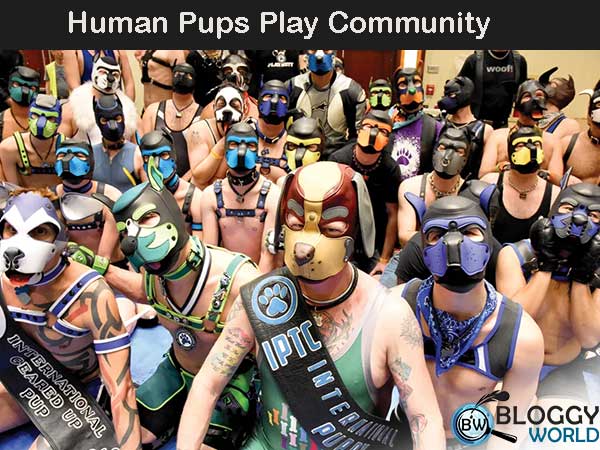
Human pups communities:
“Pupspace is a human pups community for people who enjoy pretending to be dogs, called ‘pups,’ along with their handlers and anyone else who enjoys joining in on the fun. It’s a place to make friends and have a good time.
How to train a Human Pup?
Training a human pup is similar to training a canine pup, focusing on repetition, consistency, and positive reinforcement. Handlers and trainers may develop their own methods tailored to each pup’s needs and preferences. Key points include:
- Customize training: Find what works best for your pup, as methods can vary from one individual to another.
- Use commands and gestures: Keep commands short and simple, and use basic gestures to avoid confusion.
- Establish authority: Your pup should recognize you as the leader or “alpha” figure.
- Start with basics: Teach fundamental commands like sit, down, stay, and come, crucial for social interactions.
- Progress to advanced commands: Move on to more complex commands like show, heel, off, take it, drop it, leave it, and speak once the pup masters the basics.
Remember, training should be a positive experience that strengthens the bond between the handler and the pup.
What is pup headspace?
“Pup headspace” refers to the mental and emotional state that a person enters when they take on the role of a human pup in pup play. Just like in other forms of role-playing or kink activities. Entering a specific headspace is often an important aspect of fully engaging in the experience.
For someone involved in pup play, entering pup headspace typically involves adopting a mindset that aligns with the persona of a dog. This can include:
- Embracing the dog mindset: Focus on experiencing the world through the senses and reacting instinctively.
- Engaging in dog-like behaviors: Such as barking, wagging “tail”, panting, and showing excitement.
- Connecting with the handler: Forming a strong bond for guidance and affection.
- Feeling freedom and release: Escaping stress to embrace a carefree existence.
Entering pup headspace can vary in intensity and duration for different individuals. Some may slip into it easily, while others require more deliberate effort. Participants need to communicate their needs and preferences with their play partners.
What is important for pup play?
To engage in puppy play, some various items and considerations can enhance the experience. Here’s a list of things you might need or want for puppy play:
- Collar: A symbol of ownership or submission, often with a D-ring for a leash.
- Leash: Used to guide and control the pup during play.
- Hood or mask: Worn to physically embody a canine persona.
- Tail: Adds to the visual aspect of puppy play.
- Knee pads or mitts: Provide comfort during kneeling or crawling.
- Toys: Including rubber balls, squeaky toys, or chew toys.
- Bed or mat: Offers a designated space for rest and relaxation.
- Water and treats: Keep hydrated and provide rewards for good behavior.
- Handler or owner: Provides guidance, commands, and affection during play.
- Consent and communication: Prioritize clear communication and mutual consent for a safe and enjoyable experience.
In puppy play, participants use accessories like collars, leashes, and hoods to take on the persona of a dog. Toys, water, and treats add to the realism, while clear communication and mutual respect are essential for a safe and enjoyable experience.
Remember that items and elements in your puppy play experience will depend on your personal preferences and comfort level.