Super Seeds:
Basil seeds, tukh malanga (تخم ملنگا), and chia seeds have both been in the spotlight due to their nutritional value and health benefits. Mainly due to the claim that they act as effective weight-loss aids when consumed as part of a balanced diet. However, there seems to be a lot of confusion between the two, with some people even thinking they are the same. But there are some critical differences between both the seeds. So, this article highlights the differences between both seeds. Go through this article before buying.
At Instep, we have recently integrated these enchanting miniature powerhouses of goodness into our diets, and the outcomes we are witnessing are already quite remarkable in various aspects. Ten years ago these were just considered a bird’s food. But now many researches prove that some seeds have a lot of health benefits. There is another misconception in some regions about chia seeds, people think basil seeds as chia seeds but both seeds are different in composition This article aims to compare the nutritional profiles and potential health benefits of basil seeds and chia seeds.
What are Basil Seeds (تخم ملنگا)?
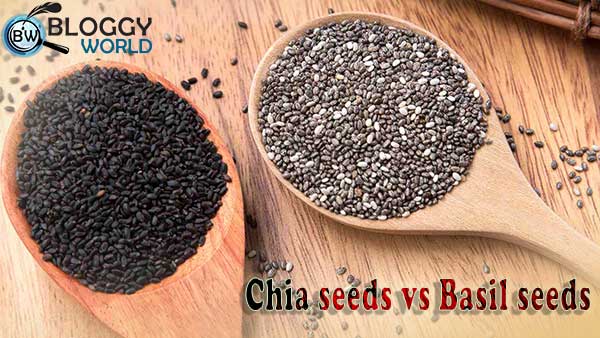
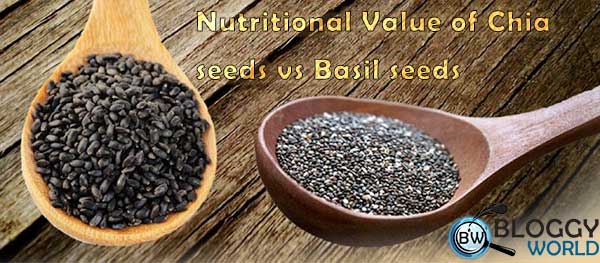
Basil seeds, (تخم ملنگا)also known as Sabja seeds, in some parts of the world it is called tukh malanga (تخم ملنگا), are derived from the Ocimum basilicum plant. Traditionally used in Asian cuisines and Ayurvedic practices, these seeds are gaining popularity worldwide. When talking about basil seeds, tukh malanga, don’t judge it by its size. Despite being so small, it can do wonders for your body.
What are Chia Seeds (تخم شربتی)?
Chia seeds (تخم شربتی) come from the plant Salvia hispanica and have been used as a food source for centuries. In the Mayan language, the word ‘Chia’ means strength and it is named so because it was an energy-giving food for the Mayan warriors. is one such super seed belonging to the flowering herbaceous plant of the family Lamiaceae. These seeds are known for their ability to absorb liquid and form a gel-like consistency. They are a mix of grey, brown, white, and black colored. They are oval in shape.
Nutritional Value comparison:
The nutritional value comparison of basil seeds vs chia seeds per 100 grams is as follows:
| Basil Seeds | Chia Seed | |
|---|---|---|
| Calories | 315 kcal | 486 kcal |
| Carbohydrates | 64.53 g | 42.12 g |
| Dietary Fiber | 38 g | 34.4 g |
| Fats | 0.7 g | 30.74 g |
| Protein | 19.2 g | 16.54 g |
| Calcium | 1700 mg | 631 mg |
| Iron | 39.8 mg | 7.72 mg |
| Magnesium | 440 mg | 335 mg |
Nutritional differences between Chia seed vs basil seed:
Chia seeds and basil seeds, tukh malanga (تخم ملنگا)both have high nutritional value but they also have some differences:
- Chia seeds contain higher amounts of fiber compared to basil seeds.
- Chia seeds are richer in omega-3 fatty acids, while basil seeds,tukh malanga (تخم ملنگا) have higher levels of omega-6 fatty acids.
- Basil seeds contain slightly more carbohydrates compared to chia seeds.
- Both seeds are low in calories and fat content.
Health Benefits of Chia Seeds:
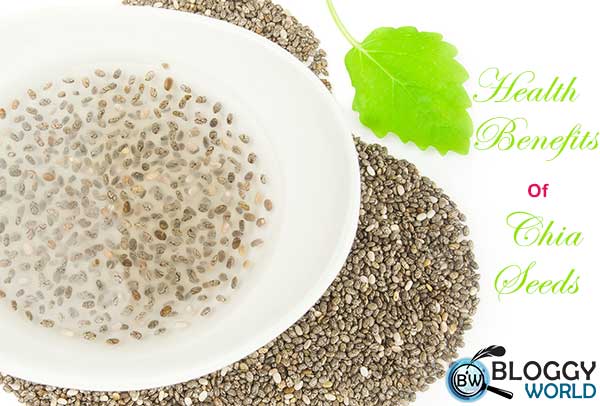
Chia seeds are tiny black and white with a lot of health benefits:
- They are an excellent source of dietary fiber, promoting healthy digestion and preventing constipation.
- These seeds boost both energy and immunity.
- They too help in weight loss by decreasing liver fat.
- The high omega-3 fatty acid content in these seeds may help reduce inflammation and support heart health.
- These are rich in antioxidants, which can help protect against oxidative stress and cellular damage.
- Studies suggest these seeds also help manage diabetes.
Health Benefits of Basil Seeds:
These sweet seeds are rich in many nutrients so, they also have lots of health benefits:
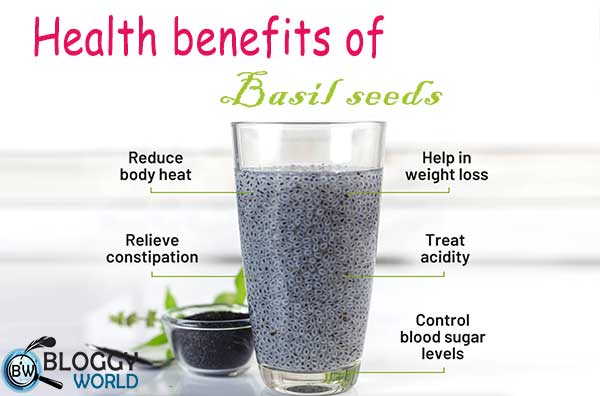
- Basil seeds, tukh malanga (تخم ملنگا) have cooling properties and are often used in traditional medicine to relieve indigestion.
- Helps prevent acidity and acts as a coolant for the stomach.
- They have anti-inflammatory properties that can aid in reducing swelling and joint pain.
- These are suitable for the skin and hair.
- These seeds help in improving blood sugar levels.
- They are a good source of vitamins and minerals, contributing to overall health and well-being.
Easy ways to add seeds to your Diet:
Uses of chia seeds and basil seeds are countless:
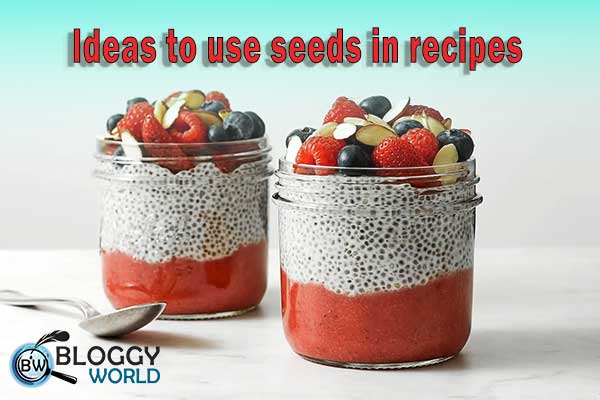
- you can add chia seeds to smoothies, dessert recipes, salads, mocktails, and milkshakes as they do not have any taste. On the other hand, options for basil seeds are limited because of their slight flavor. you can add these seeds to yogurt, cereals, bread, and muffins.
- Chia seeds can be used as an egg substitute in vegan baking recipes due to their ability to gel.
- It’s important to note that one can consume chia seeds either raw or soaked, but one can only consume basil seeds, tukh malanga (تخم ملنگا) after they are soaked in water.
Chia seeds vs basil seeds which is better?
Determining whether chia seeds vs basil seeds are better depends on various factors, including personal preferences and specific health goals. Ultimately, both seeds offer their own set of nutritional benefits. If you are looking to increase your fiber and omega-3 intake, chia seeds might be a better choice. On the other hand, if you are interested in their cooling properties and potential digestive benefits, basil seeds could be more appealing. They both have a low amount of calories and work more or less the same way, but chia seeds prove better than basil seeds when it comes to studies and research. They contain antioxidants, fiber, calcium, protein, and many other vital minerals.
Can we eat chia seeds and basil seeds together? This is the question of many people and the answer is Yes, we can take these two seeds together. You can soak both seeds in water and have them.
It’s important to note that the nutritional value of both seeds may vary slightly depending on the source and growing conditions. Nonetheless, both basil seeds and chia seeds offer a rich nutritional profile, including high fiber content, good amounts of protein, and essential minerals.