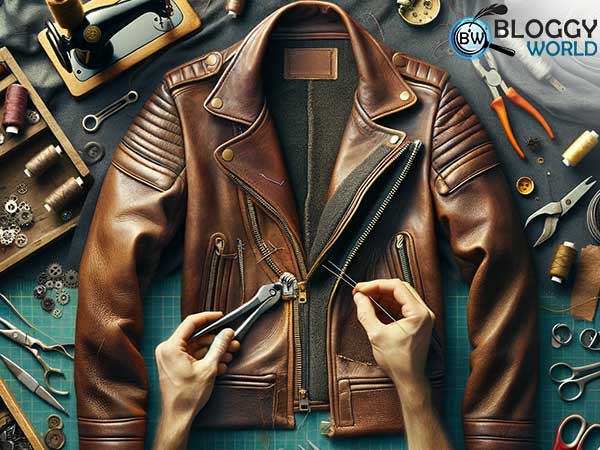
The major problem people face while buying leather jackets is sizing. It is possible to resize a leather jacket? can you alter a leather jacket? can you tailor a leather jacket? These are the most common questions that come to every mind before purchasing a leather jacket. Thankfully, the answer to these questions is yes, you can tailor alter, or resize your leather jacket.
Easy Alterations for Leather Jackets
If you do not know how to customize your leather jacket, all the details you need are right here for you to read. This way, you’ll know exactly what to do.
Big in size
If you like a leather jacket that is economical and exactly the style you want If you find that your leather jacket is too big in size, don’t worry there are several ways to tailor it for a better fit. One option is to adjust the seams, which involves making the jacket tighter around the sides, sleeves, or back. This can be done by taking in the seams to reduce the overall width of the jacket. Additionally, resizing the shoulders can help improve the fit and prevent the jacket from looking oversized. Another option is to taper the waist, which creates a more fitted silhouette and eliminates excess fabric.
Small in size
On the other hand, if your leather jacket is too small, there are also ways to tailor it to fit better. Letting out the seams can make the jacket looser around the sides, sleeves, or back, providing more room for movement and comfort. Resizing the shoulders can also help alleviate tightness and ensure a better fit. Additionally, consider replacing the hardware with larger ones if necessary, such as buttons or zips, to accommodate the increased size of the jacket.
Shorten Leather Sleeves
Moreover, If the sleeves of your leather jacket are too long, making them shorter can really change how it fits and looks. When you shorten the sleeves to the right length, they won’t cover your arms too much, and you’ll be able to move more comfortably. It’s important to resize the cuffs if needed to keep everything in proportion and make sure they don’t look too big compared to the rest of the jacket.
Make The Jacket Shorter In Size:
Furthermore, If your leather jacket is too long for your liking, shortening its overall length can help achieve a more balanced look. Shortening the jacket to the desired length ensures that it complements your body proportions and doesn’t overwhelm your frame. Additionally, adjusting the waistline can help maintain proportions and prevent the jacket from looking disproportionate after it’s been shortened.
Sometimes, you may want to remove unnecessary buttons or zips from your leather jacket to streamline its design or update its look. This can involve carefully removing the hardware and any associated stitching without damaging the leather. If needed, you can replace the removed buttons or zips with new ones to ensure that the jacket remains functional and aesthetically pleasing.
Updating Lining:
Replacing the lining with a new fabric can refresh the jacket’s interior and improve comfort.

These easy alterations can help customize a leather jacket to better fit your body and style preferences. It’s always best to consult with a professional tailor for precise alterations, especially when working with leather.
Techniques to Tailor Leather Jackets
various methods or approaches used to modify leather jackets so that they fit better. These techniques may include adjusting the size, altering the design or structure, and making other modifications to enhance the jacket’s appearance and comfort.
- Measuring Accurately: Begin with comprehensive measurements, including shoulders, chest, waist, sleeve length, and jacket length. Accurate measurements are the foundation of successful tailoring, ensuring the jacket compliments your body shape.
- Specialized Sewing Tools: Tailoring leather requires tools that can handle its thickness and toughness. Use a leather needle, which is sharper and more durable than a regular needle. Opt for heavy-duty threads, like nylon or polyester, that can withstand the wear and tear of leather.
- Seam and Hem Adjustments: Adjusting seams and hems is common in tailoring leather jackets. This involves opening the existing seams, trimming the leather, and resewing to fit. It’s crucial to replicate the original seam to maintain the jacket’s design integrity.

Factors Determined in Leather Jacker Resizing
Things to Think About When Resizing a Leather Jacket include
- Leather Type: The type of leather impacts its alterability. Softer leathers like lambskin are more forgiving and easier to work with than sturdier types like cowhide.
- Jacket Construction: Detailed features like zippers, pockets, and linings complicate alterations. Simple designs are generally more adaptable.
- Original Fit: The closer the original fit to your desired outcome, the easier and more successful the tailoring will be.
By thinking about these things, we can make sure that when we resize the jacket, it fits just right for the person wearing it. This way, we can keep the jacket in good shape and make sure it still looks nice.
What to Consider When Making Leather Jacket Alterations?
When considering leather jacket alterations, there are several important factors to keep in mind:
Preserving Original Features: Consider how alterations may impact any original design features of the jacket, such as decorative stitching or hardware. Preserve these features whenever possible or discuss with your tailor how alterations can be made without compromising the jacket’s aesthetic appeal.
Limitations: Understand the limitations of altering leather. Extensive size changes may not always be possible without distorting the jacket’s proportions and style.
Fit and Comfort: Ultimately, the goal of alterations is to improve the fit and comfort of the jacket. Ensure that alterations are tailored to your specific measurements and preferences to achieve the best possible fit and enhance your overall wearing experience.
Professional Assessment: Choose a tailor with experience and expertise in working with leather garments. Look for reviews or recommendations to find a tailor who can handle the specific alterations you need and deliver quality results.
By thinking about these things, you can make smart choices about changing your leather jacket. This way, you’ll get the outcome you want and keep your jacket in good shape.
Cost to Alter Leather Jackets
The price for altering a leather jacket can change a lot depending on how complicated the changes are, what kind of leather it is, and how skilled the tailor is. Simple tasks like making the sleeves shorter might cost around $40 to $100. But if you need bigger changes, like making the jacket smaller or changing its shape a lot, it could cost over $200.
Different types of leather jacket alterations and their associated costs:
| Alteration | Cost Range |
|---|---|
| Sleeve Length Adjustment | $20 – $30 |
| Taking In or Letting Out Sides | $50 |
| Adjusting Shoulders | $50 – $100 |
| Adding/Removing Padding | $100+ |
| Tapering Waist | $50 – $100 |
| Complete Lining Replacement | $100+ |
Skills Required to Alter Leather Jackets
To alter a leather jacket is not an easy task. Before altering a leather jacket you should have the following skills:
- Knowledge of Leather: Familiarity with different leather types and their properties is essential. Each type reacts differently to alterations.
- Sewing Skills: Proficiency in sewing, particularly with durable materials, is crucial. Leather does not forgive mistakes easily, as needle holes are permanent.
- Attention to Detail: Precision is key in measuring, cutting, and sewing. Every stitch affects the final appearance and fit of the jacket.

Precautions to alter a leather jacket
When altering a leather jacket, it’s important to take certain precautions to ensure the best results and preserve the quality of the garment:
- Leather is a delicate material, so it’s advisable to seek assistance from a professional tailor who has experience working with leather garments.
- Before making any alterations, test the chosen method or technique on a small, inconspicuous area of the jacket to ensure compatibility and avoid damaging the leather.
- Use specialized tools and equipment designed for working with leather to avoid causing damage or leaving visible marks on the jacket.
- Take your time when making alterations to ensure accuracy and precision. Rushing through the process can lead to mistakes or uneven results.
- Double-check all measurements and markings before making any cuts or adjustments to minimize the risk of errors.
- Handle the jacket with care throughout the alteration process to avoid stretching, tearing, or otherwise damaging the leather.
- Whenever possible, choose alteration methods that are reversible so that changes can be undone if necessary.
- Preserve any original features or details of the jacket, such as decorative stitching or hardware, unless they are being intentionally removed or replaced.
- Clearly communicate your preferences and expectations to the tailor to ensure that they understand the desired alterations and can achieve the desired results.
- Once the alterations are complete, thoroughly inspect the jacket to ensure that everything looks and fits as expected before wearing or storing it.
By following these precautions, you can help ensure that your leather jacket alterations are successful and that the garment retains its quality and integrity.
Changing a leather jacket to fit better takes a lot of careful work, but it can make a big difference in how it feels and works. Whether you’re fixing up an old jacket or making a new one just right for you, it’s important to know how to do it the right way. With the right approach and attention to detail, your leather jacket can stay a favorite for a long time.
FAQs
Q: Can I tailor a leather jacket at home?
A: Home tailoring is possible for those with sewing skills and the right tools. However, for complex alterations, professional services are recommended.
Q: How do I find a tailor for my leather jacket?
A: Look for tailors with experience in leatherwork. Leather specialty stores may offer or recommend tailoring services. Online reviews and referrals are also valuable resources.
Q: Will tailoring affect the value of my leather jacket?
A: Quality alterations can enhance the jacket’s value by improving its fit and appearance. Conversely, poor alterations can diminish its value and appeal.
Q: How long does it take to alter a leather jacket?
A: Timing varies based on the alteration’s complexity and the tailor’s schedule. Simple adjustments might take a few days, while more involved alterations could take weeks.