Vitamin Deficiency and Mental Health:
Vitamin Deficiency and Depression is a common mental health disorder. Recent research has shown Vitamin Deficiency and Depression: The Surprising Connection. According to a trusted source, Major depression is a prevalent mental health disorder that affects around 7.1% of adults in the United States.
What vitamin deficiencies cause depression?
Vitamin B6 and B12 are also essential for mental health, as they help regulate mood and brain function. Vitamin deficiency can lead to symptoms of depression, such as fatigue, irritability, and difficulty concentrating. A study published in the American Journal of Clinical Nutrition found that women who were deficient in vitamin B6 were more likely to experience depression and anxiety.
Relation of Vitamin B-12 deficiency and the Nervous system:
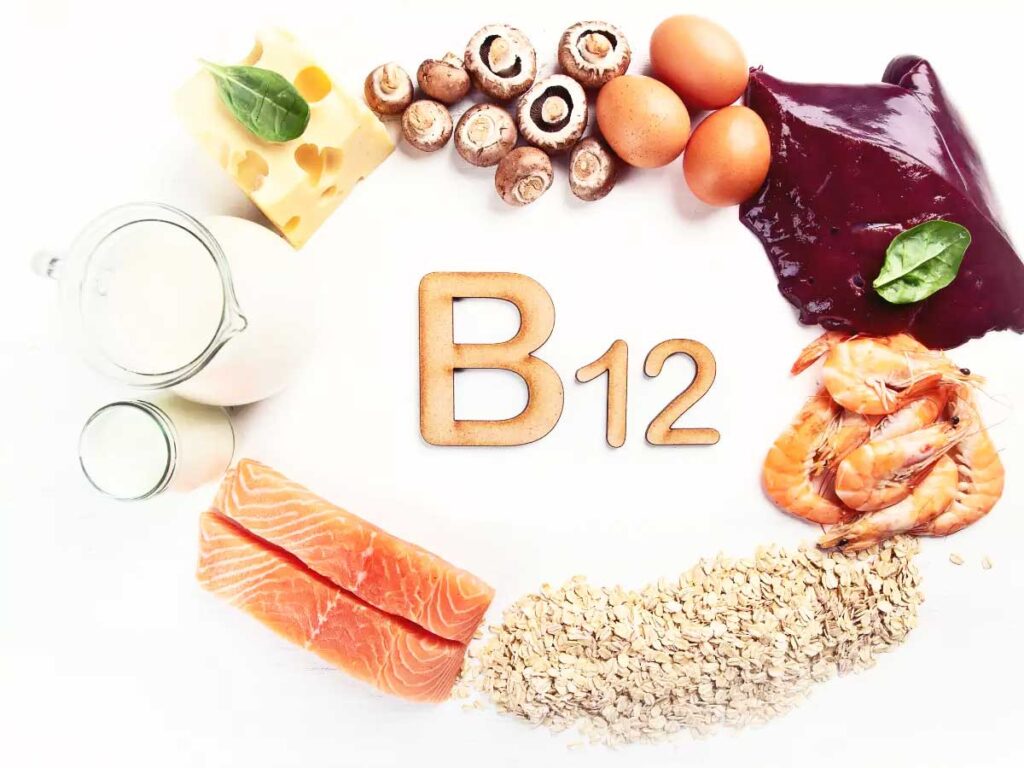
Vitamin B12 plays a crucial role in the functioning of the nervous system. The formation of red blood cells, and DNA synthesis. Our bodies cannot produce Vitamin B12, so we need to obtain it through food sources. Research from 2020 shows Vitamin B12 deficiency can lead to depression and various health problems, including anemia, nerve damage, and cognitive decline. Therefore, it’s important to maintain adequate levels of Vitamin B12 to support overall health and well-being.
Importance of Vitamin B-6 for brain function:
Vitamin B6 is essential for mental health. As it helps regulate mood and brain function. A deficiency in these vitamins can lead to symptoms of depression, such as fatigue, irritability, and difficulty concentrating. A study published in the American Journal of Clinical Nutrition found that women who were deficient in vitamin B6 were more likely to experience depression and anxiety.
Vitamin D and Depression What’s the Link?
Vitamin D is a crucial nutrient that supports many functions in the body. These are bone health, immune system, and mood regulation. Research has shown that there is a possible link between vitamin D deficiency and depression. A review of 14 studies in 2018, which included over 31,000 people, found that having low levels of these vitamins is linked to depression. Low levels of vitamin D can cause depressive symptoms due to causing lower levels of serotonin. Studies have also found that vitamin D supplementation may help improve symptoms of depression.
What are the Food Sources of Vitamins D, B6, and B12?
Fortunately, increasing your intake of these vitamins can be relatively easy. Vitamin D can be obtained through sun exposure or supplements. We can get vitamins B6 and B12 in healthy foods such as fish, poultry, eggs, and leafy green vegetables.
Doctor consultation:
Vitamin Deficiency and Depression: The Surprising Connection, which some people may not expect. This is why it’s important to eat a healthy diet and get enough sunlight. If someone is experiencing depression, it’s best to talk to a doctor for advice on how to treat it. For individuals with severe vitamin deficiencies, supplementation under medical supervision may be necessary.