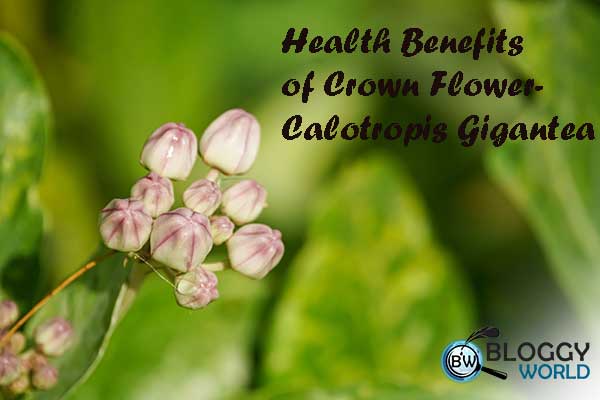
Crown Flower, scientifically known as Calotropis gigantea. This is a plant with potential health benefits, although caution is advised due to its toxic nature. Traditionally, the Crown Flower/Aak Plant herb has a magical healing ability, we can use this herb as an herbal tea, fomentation, and decoction. All in all, Aak is a powerful herb that can help manage some chronic problems. Here are some Traditional and Medicinal Use And Health Benefits Of Crown Flower:
Health Benefits/Medicinal Use of Crown Flower:
According to the health benefits of Crown Flower, every part is important. In the medicinal use of Crown Flower all parts are found helpful:
Use of Crown Flower in Joint Pain Remedy:
- Anti-Inflammatory Properties: Crown Flower is thought to possess anti-inflammatory properties that may help reduce inflammation in joints.
- Traditional Poultice: In some traditional practices, a poultice made from Crown Flower leaves or roots is applied externally to the affected joints.
- Calotropis Gigantea oil: Safed Aak Plant Oil is best for Joint Pain Relief.
- Mild Analgesic Effects: It’s believed to have mild analgesic effects, offering relief from pain associated with joint discomfort.

How It Works:
- Active Compounds: Crown Flower contains bioactive compounds that may interact with the inflammatory pathways, potentially providing relief from joint pain.
- Topical Application: When used topically, it may penetrate the skin, exerting its effects locally and addressing discomfort in the joints.
How to use Aak Plant for Joint Pain?
Take Aak’s leaves. Put oil on the shiny part of the Aak leaves and heat them slowly in an iron pan. Alternatively, you can place the oily side of the leaf on the affected area and keep it warm with a hot water bottle on top. It is very helpful for arthritic or rheumatic pain of joints, especially knee joints.
Precautions:
- Allergic Reactions: Some individuals may be allergic to certain compounds in Crown Flower. A patch test is advisable before widespread use.
- Consultation with a Healthcare Professional: If you have pre-existing health conditions or are on medication, consult with a healthcare professional before incorporating Crown Flower into your joint pain remedy.
- Pregnancy and Breastfeeding: Pregnant and breastfeeding individuals should exercise caution and consult with a healthcare provider before using Crown Flower.
- Avoid Internal Consumption: While external application is common, internal consumption or ingestion of Crown Flower parts is discouraged due to potential toxicity.
Always remember that we should use traditional medicines with great care and individual responses may vary. Although the health benefits of crown flower are innumerable but It’s advisable to seek guidance from a healthcare professional for personalized advice tailored to your specific health circumstances.
Use of Crown Flower for Diabetes:
The Crown Flower (Calotropis gigantea) is a plant that offers its every part as medicine to us. Here’s a guide on how it works, how to use it, and important precautions to consider for its potential use to cure diabetes:
- Potential Hypoglycemic Effects: Crown Flower is believed to have hypoglycemic properties, which may help lower blood sugar levels.
- Traditional Herbal Remedy: In some traditional practices, parts of the Crown Flower, such as leaves or roots, are used in herbal formulations aimed at managing diabetes.
How to Use Crown Flower for Diabetes:
Well, let us talk about how Aak leaves can treat Diabetes.
- Fomentation: Take two full leaves of the Aak plant. From the side that feels a bit rough, place them on the soles of your feet and wear socks. Repeat the same process for both feet. Ensure that the leaves cover your soles entirely. Let the leaves stay there all day; before going to sleep, remove them and wash your legs. Repeat the process with fresh leaves for a week. After the week, get a blood sugar checkup.
- Herbal Tea Infusion: Prepare an herbal infusion by steeping dried Crown Flower leaves or roots in hot water. Strain and drink as an herbal tea.
- Topical Application: Some traditional remedies involve the topical application of Crown Flower extracts, but internal consumption should be approached with caution.
How It Works:
- Bioactive Compounds: Crown Flower contains bioactive compounds that may influence glucose metabolism, contributing to its potential antidiabetic effects.
- Insulin Sensitivity: It enhances insulin sensitivity, assisting the body in utilizing insulin more effectively.
Remedy:
- Herbal Tea: Consume Crown Flower herbal tea regularly. Start with a small amount of herbal tea to observe your body’s response.
- Incorporate in Diet: Some traditional practices involve incorporating Crown Flower leaves in the diet.
Precautions:
- Consultation with Healthcare Professionals: Before using Crown Flower for diabetes (Herbal tea), consult with a healthcare professional, especially if you are on diabetes medications.
- Monitor Blood Sugar Levels: Regularly monitor blood sugar levels when incorporating Crown Flower (Herbal tea) into your routine and adjust other diabetes management strategies as needed.
- Allergic Reactions: Be cautious of potential allergic reactions. If you experience any adverse effects, discontinue use (Herbal tea) and seek medical advice.
- Dosage Consideration: There is no standardized dosage for Crown Flower in diabetes management. Start with a small amount of Crown flower (herbal tea) and monitor the effects.
- Pregnancy and Breastfeeding: Pregnant and breastfeeding individuals should avoid using Crown Flower or herbal tea for diabetes without medical supervision.
Always prioritize safety, and remember that traditional remedies may not be a substitute for conventional medical treatment. Seek guidance from a healthcare professional for personalized advice based on your health condition.

Use of Crown Flower in Skin Diseases:
The Crown Flower (Calotropis gigantea) has been traditionally explored for its potential in managing skin diseases. Here’s a guide on how it’s believed to work, home remedies for skin conditions, and important precautions:
- Anti-Inflammatory Properties: Crown Flower is believed to possess anti-inflammatory properties that may be beneficial for various skin conditions.
- Traditional Healing: In traditional practices, different parts of the Crown Flower, such as leaves and roots, are used in herbal formulations for skin-related issues.
Home Remedies for Skin Diseases:
Crown Flower Poultice:
- Crush fresh Crown Flower leaves or roots.
- Create a poultice by applying the crushed material directly to affected skin areas.
- Leave it on for a short duration and rinse with water.
Aak Plant Oil:
- Infuse Crown Flower leaves or roots in a carrier oil (like coconut or olive oil).
- Apply the crown flower/aak plant oil topically to the affected skin areas.
How to Use:
- Topical Application:
- For skin issues, apply Crown Flower preparations directly to the affected areas.
- Start with a small amount to observe your skin’s response.
- Herbal Baths:
- Add dried Crown Flower leaves or roots to your bathwater for a soothing herbal bath.
Precautions:
- Patch Test:
- Before widespread use, perform a patch test by applying a small amount of the preparation to a small area of skin.
- Allergic Reactions:
- Monitor for any signs of allergic reactions, such as redness, itching, or swelling.
- Consultation with a Dermatologist:
- If you have a pre-existing skin condition or are unsure about using Crown Flower, consult with a dermatologist.
- Avoid Open Wounds:
- Avoid applying Crown Flower preparations to open wounds or broken skin.
- Pregnancy and Breastfeeding:
- Pregnant and breastfeeding individuals should exercise caution and consult with a healthcare professional.
- Discontinue if Irritation Occurs:
- If irritation occurs, discontinue use and seek medical advice.
Always prioritize safety and seek guidance from healthcare professionals, especially if you have specific skin concerns. While traditional remedies may have benefits, they should complement, not replace, conventional medical care.
Use of Crown Flower as Antidote to Snake Venom:
The use of the Crown Flower (Calotropis gigantea) as an antidote to snake bite has been mentioned in traditional practices. To explore the health benefits of the Crown flower plant here’s an overview of how it’s believed to work and precautions to consider:
- Traditional Wisdom:
- In certain traditional medicinal practices, the Crown Flower is considered to have properties that may act as an antidote to snake bites.
- Anti-Snake Venom Properties:
- It is believed that the bioactive compounds present in Crown Flower may counteract the effects of snake venom.
Precautions:
- Limited Scientific Evidence:
- While there are traditional anecdotes about Crown Flower’s use against snakebite, scientific evidence supporting its efficacy is limited.
- Immediate Medical Attention:
- In the case of a snakebite, seeking immediate medical attention is crucial.
- Consultation with Healthcare Professionals:
- Before relying solely on traditional remedies, consult with healthcare professionals for appropriate medical intervention.
- Allergic Reactions:
- Individuals may be allergic to certain components of Crown Flower, so watch for any signs of allergic reactions.
- Proper Identification:
- Ensure the proper identification of Crown Flower to avoid confusion with other potentially toxic plants.
- Caution with Ingestion:
- If considering ingestion for potential anti-venom effects, exercise extreme caution and only do so under the guidance of healthcare professionals.
- Not a Substitute for Medical Treatment:
- Traditional remedies, including the medicinal use of Crown Flower, should not be considered a substitute for standard medical treatments, especially in emergencies.
While there may be cultural beliefs in the efficacy of Crown Flower against snake venom, it’s crucial to approach such situations with a balanced perspective. Seek immediate medical attention in the event of a snakebite and follow professional medical advice.
Crown Flower for Toothache:
- Traditional Use:
- In certain traditional medicinal practices, the Crown Flower is believed to possess properties that may help alleviate toothache.
- Application Method:
- A common method involves making a paste or decoction from various parts of the Crown Flower, such as leaves or roots.
- Local Application:
- Gently applying the prepared Crown Flower paste or decoction to the affected tooth or gum area is often recommended.
- How to make decoction?
- Make a mixture of Aak root in the following way. Ingredients – 5 gm of the root bark of Aak, 5 gm of Triphala, and half a liter of water. Boil them together until it reduces to 1/8th of the original volume. After boiling, filter it. When it becomes lukewarm, add half a teaspoon of honey and 1 teaspoon of stone sugar. Taking this mixture ( Herbal tea ) regularly provides great relief in all types of pain and swelling.
Precautions:
- Limited Scientific Evidence:
- While there are traditional anecdotes about Crown Flower’s use for toothache, scientific evidence supporting its efficacy is limited.
- Consultation with Healthcare Professionals:
- Before relying solely on traditional remedies, it’s advisable to consult with healthcare professionals, especially dentists.
- Allergic Reactions:
- Individuals may be allergic to certain components of Crown Flower, so watch for any signs of allergic reactions.
- Proper Identification:
- Ensure the proper identification of Crown Flower to avoid confusion with other potentially toxic plants.
- Caution with Ingestion:
- If considering ingestion for potential oral benefits, exercise extreme caution and only do so under the guidance of healthcare professionals.
- Not a Substitute for Dental Care:
- Traditional remedies, including Crown Flower, should not be considered a substitute for professional dental care. Dental issues often require specific treatments.
- Immediate Dental Attention:
- Seek immediate attention from a dentist for proper diagnosis and treatment of toothache or dental issues.
Traditionally people use Crown Flower for toothache, it’s crucial to approach such remedies with caution and not substitute them for professional dental care. Always consult with healthcare professionals for appropriate advice and treatment.
Crown Flower for Asthma Relief:
The traditional (medicinal) use of Crown Flower (Calotropis gigantea) for asthma relief has been mentioned. But it’s important to approach such remedies with caution. Here’s an overview of how it’s believed to work and precautions to consider:
- Traditional Use:
- In certain traditional practices, people use the Crown Flower to cure the symptoms of asthma. In the case of an asthma attack apply sesame oil on the chest and with Aak leaves for quick relief.
- Preparation:
- People use leaves or other parts of the Crown Flower to prepare a decoction or extract.
- Inhalation Method:
- One traditional method involves inhaling the fumes or vapors produced by the Crown Flower preparation. Inhale the smoke of the dried root of Aak to increase immunity.
Precautions:
- Consultation with Healthcare Professionals:
- Before relying solely on traditional remedies, consult with healthcare professionals, especially those specializing in respiratory conditions.
- Allergic Reactions:
- Individuals may be allergic to certain components of Crown Flower, so be vigilant for signs of allergic reactions.
- Dosage Caution:
- Exercise caution regarding the dosage and concentration of Crown Flower preparations to avoid adverse effects.
- Interaction with Medications:
- If using Crown Flower alongside prescribed asthma medications, consult healthcare professionals to avoid potential interactions.
- Proper Identification:
- Ensure the correct identification of Crown Flower to prevent confusion with other potentially toxic plants.
- Not a Substitute for Medical Treatment:
- Traditional remedies, including Crown Flower, should not replace prescribed asthma medications or professional medical advice.
- Monitor Asthma Symptoms:
- Regularly monitor asthma symptoms and seek immediate medical attention in case of worsening conditions.
It’s crucial to approach the medicinal use of Crown Flower (Aak Plant) for asthma relief with caution and not to replace it with established medical treatments.
Crown Flower offers relief for fever, cough, cold, eczema, rheumatism, nausea, and diarrhea. This nutrient-dense herb is known to support diabetes, skin diseases, toothache, and asthma, treat boils, and soothe foot blisters. Explore the holistic benefits of the crown flower for various common ailments. For the best Traditional and Medicinal Use And health benefits of crown flower plant consult with healthcare professionals for appropriate advice and treatment.
Frequently Asked Questions (FAQs) About Crown Flower:
What is a Crown Flower?
Answer: Crown Flower, scientifically known as Calotropis gigantea, is a tropical plant with thick leaves and distinctive purple or white flowers. It has traditional uses in various cultures for medicinal and cultural purposes.
Where is the Crown Flower Found?
Answer: Crown Flower is native to Southeast Asia but is also found in regions such as India, China, Pakistan, Indonesia, Sri Lanka, Nepal, and Thailand.
What is the Medicinal Use of Crown Flower/Aak Plant?
Answer: The Crown Flower is traditionally used in Ayurveda for conditions like asthma, skin diseases, and joint pain. However, limited scientific evidence supports these uses.
Is Crown Flower Poisonous?
Answer: Yes, Crown Flower (Aak Plant) contains toxic compounds like cardiac glycosides. It’s all parts like leaves, flowers, milk, and roots are poisonous.
How do you use Crown Flower for Joint Pain?
Answer: Crown flowers have anti-inflammatory properties. For the best health benefits of crown flower, it can be applied as a paste or oil for joint pain. However, consult with a healthcare professional before use.
Can Crown Flower Cure Asthma?
Answer: Traditional practices suggest that Crown Flower may help alleviate asthma symptoms, but scientific evidence is inconclusive. We cannot ignore the health benefits of the Crown flower plant but always seek professional medical advice for asthma management.
What precautions should we take when using a crown flower/aak plant?
Answer: Exercise caution regarding dosage, potential allergic reactions, and proper identification of the plant. Consult healthcare professionals before use, especially if already on prescribed medications.
Is Crown Flower Safe for Skin Diseases?
Answer: Traditionally, people use Crown Flower to treat skin diseases due to its anti-inflammatory properties. However, individual reactions may vary, and it’s advisable to consult with a dermatologist.
Which flower is good for diabetes?
Answer: There is no substantial scientific evidence supporting the use of Crown Flower (Aak plant) for diabetes. Aak leaves ( Crown Flower) have the capability to treat Diabetes. It’s crucial to rely on established diabetes management strategies and consult healthcare professionals.
What is the best medicine as an Antidote for Snake bite?
Answer: Traditional practices suggest Crown Flowers have antidotal properties. Antivenom is the treatment for serious snake envenomation. However, snakebites are medical emergencies, and seeking immediate professional help is crucial.
Important Note: These answers provide general information, but individual circumstances may vary. So, always seek advice from healthcare professionals for personalized guidance.