
Space exploration seeds:
The Seeds in Space Pak-China project is a collaboration between Pakistan and China. It has become a milestone in sci-tech cooperation between the two countries. In recent years, space exploration has become a topic of great interest for scientists and researchers around the world. Many countries are investing heavily in this research to explore new frontiers and push the limits of human knowledge.
Seeds in Space: a joint venture between Pakistan and CHINA:
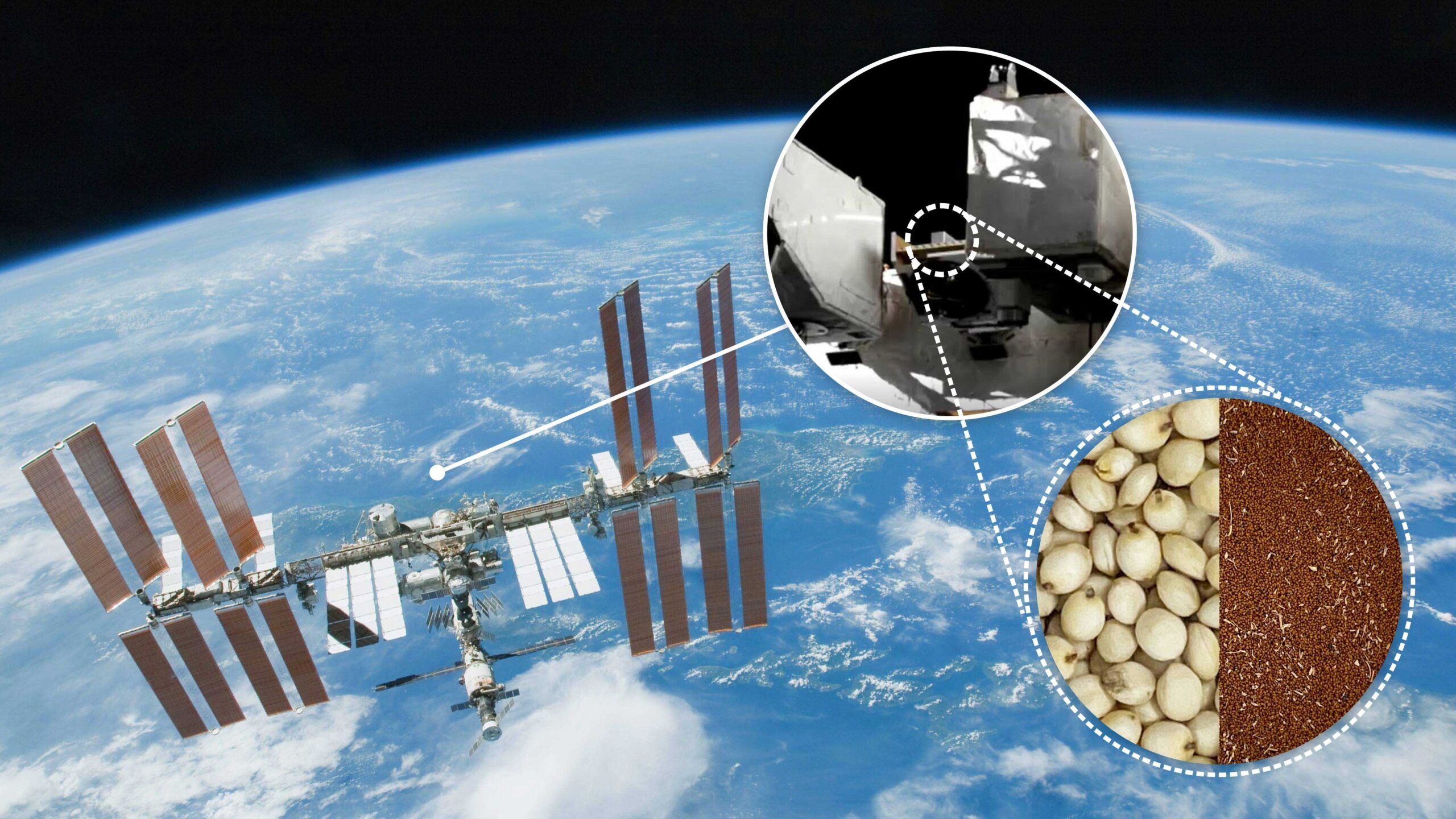
This project is a joint venture between the Pakistan and Upper Atmosphere Research Commission (SUPARCO) and the China National Space Administration (CNSA). The project aims to study the effects of microgravity on the growth and development of plants. The project involves sending seeds of various crops to the International Space Station (ISS). Where they will grow and will be under observation over a period of time.
Seeds in Space: A Milestone for China-Pakistan Sci-Tech Cooperation
International Centre for Chemical and Biological Sciences and Hamdard University made history by boarding the Chinese space station, as reported by China Economic. This is a milestone in China-Pakistan S&T cooperation. After returning to Earth, joint research will be conducted to screen new medicinal materials with better yield and quality. Dr. Jiang Ning of the Sino-Pakistan Cooperation Center on Traditional Chinese Medicine discussed the plans in an interview with China Economic Net.
The effects of microgravity on seeds:
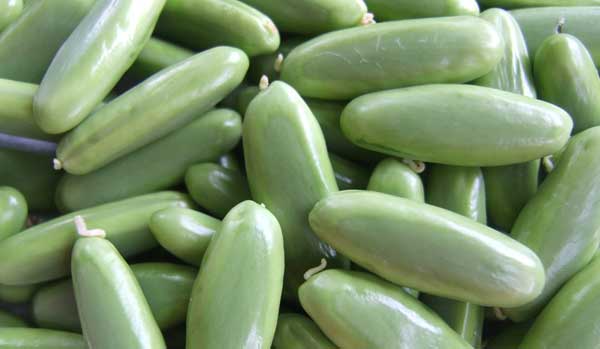
The project has several objectives, including studying the effects of microgravity on the growth and development of space seeds. Developing new techniques for growing crops in space, and exploring the potential for space-based agriculture. It is hoped that the research carried out under this project will lead to new discoveries and innovations. These can be used to address food security challenges on Earth.
Space Breeding and Genetic Mutations
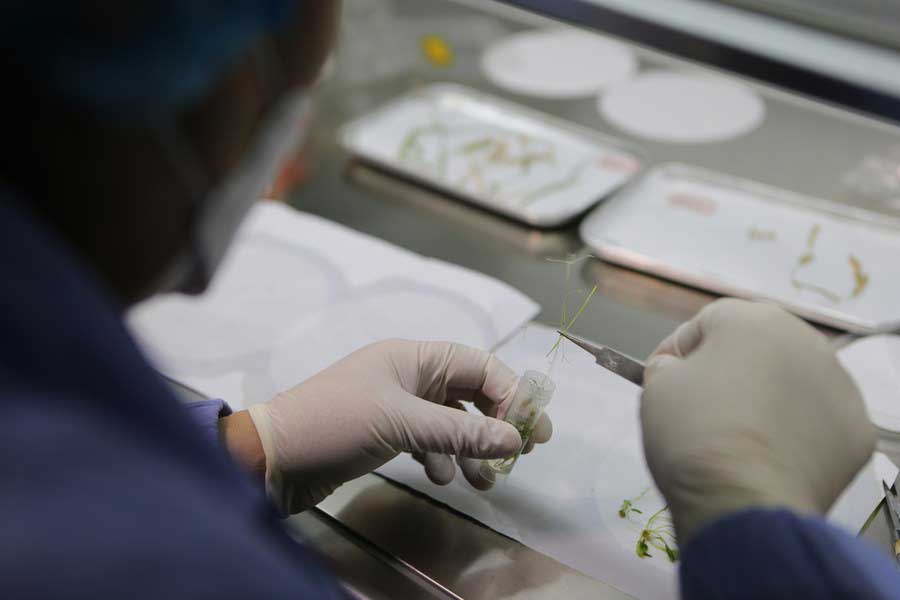
Scientific research suggests that microgravity, cosmic radiation, and low temperatures outside the space station can trigger genetic mutations. This will make seeds in space more resilient and productive amidst climate fluctuations. China has developed 200 new space-bred seeds varieties with an annual planting area of 2-3 million hectares. The wheat variety Luyuan 502 displayed an 11% increase in production and improved resistance to pests, drought, and diseases. China joins the US and Russia as the third country to achieve satellite breeding in space.
Seed Varieties return to earth
According to experts, the Shenzhou XIII manned spaceship transported around 12,000 seeds. Arabidopsis and sorghum seeds were launched into space These seeds were bred in space and have now returned to Earth. These seeds will serve as new germplasm resources. These resources enhance national food security by cultivating a wider variety of plants. The crew of the Shenzhou 14 spacecraft returned to Earth on December 4. Recently, a ceremony took place in Islamabad. Pakistan on February 8 to celebrate the return of the plant seeds from Tiangong.
Space-based agriculture
The Seeds in Space Pak-China project is a significant achievement for Pakistan and China. This project has the potential to lead to new discoveries and innovations. Moreover, this project can address food security challenges on Earth and pave the way for space-based agriculture. It is an excellent example of the benefits of international collaboration in space research. A symbol of the growing relationship between Pakistan and China in the field of science and technology.


