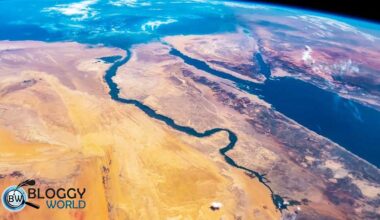
The Qosh Tepa Canal (Persian: کانال قوش تپه; Uzbek: Qoʻshtepa kanali) Project, led by the Taliban in northern Afghanistan, has been making headlines in recent years. This ambitious project aims to divert water from the Amu Darya River for irrigation systems. Amu Darya River, known as the Oxus, flows through Afghanistan, Tajikistan, and Uzbekistan. The Taliban’s vision is to convert 550,000 hectares of desert into fertile farmland. This expansion could potentially increase Afghanistan’s arable land by a third and make the country self-sufficient in food production for the first time since the 1980s. It also raises concerns about potential water conflict in Central Asia. In this article, we delve into the Qosh Tepa Canal Project, its implications, and the challenges it poses for regional water management.
Where is Qosh Tepa Canal located?
The Qosh Tepa Canal is the longest man-made canal in Afghanistan, about 285 kilometers long. It’s not just crucial for Afghanistan; it’s also making the biggest artificial river in Asia. This big project wants to change 550,000 hectares of dry desert into farmland. The project also contributes to the creation of Asia’s largest artificial river, promising to bring economic prosperity and food security to Afghanistan.

What is the man-made Qosh Tepa Canal project in Afghanistan?
In Afghanistan, two years after the Taliban took control, they’re leading a remarkable endeavor – the Qosh Tepa canal project. This ambitious infrastructure project spans 115 miles and aims to divert 20 percent of water from the Amu Darya River to the parched plains of northern Afghanistan. The project is showing promise, with 25% completion achieved in the first phase.
The project has engaged over 200 companies in the construction of its first phase. Some of these companies are working tirelessly through the night due to increased workload. This underscores the dedication and effort invested in making this project a reality.
Canal Cost and Funding:
The first phase of the Qosh Tepa Canal longest river in Afghanistan is expected to cost 8 billion Afghanis. However, for the subsequent phases, the funds will be raised by selling mines, particularly the Dar-e-Souph Mine. This financial strategy highlights the importance of securing funds for this vital project.
The total estimated cost of the Qosh Tepa Canal mega-development project is 60 billion Afghanis. It is equivalent to around 700 million USD.
Driving Agriculture Standardization
Abdulrahman Attash, the head of the National Development Company said, “We are now driving Afghanistan’s agriculture toward standardization for the first time. Therefore, if we want Afghanistan to find food security, we must first take scientific, then industrial, and lastly commercial steps.”
Changing Lives in Jowzjan Province:
The Qosh Tepa Canal holds the promise of transforming lives in regions like Jowzjan province. In Afghanistan, residents face a challenging combination of issues –
- food shortages
- decades of conflict
- severe droughts
- climate change.
- Rising temperatures
which have increased by 1.8 degrees Celsius in the past 70 years, are twice the global average. The canal offers hope for addressing these challenges.
The Amu Darya River and Water Resources in Central Asia:
To comprehend the potential implications of the Qosh Tepa Canal Project, we must understand the significance of the Amu Darya River. Flowing through multiple countries, including Afghanistan, Tajikistan, Turkmenistan, and Uzbekistan, the Amu Darya serves as a vital water source for agriculture, industry, and daily life.
Historically, Central Asia has grappled with water-related challenges, including disputes over water allocation and inefficient irrigation systems. The Amu Darya, as one of the region’s key waterways, has often been at the center of water conflicts.
Taliban’s Role in the Project:
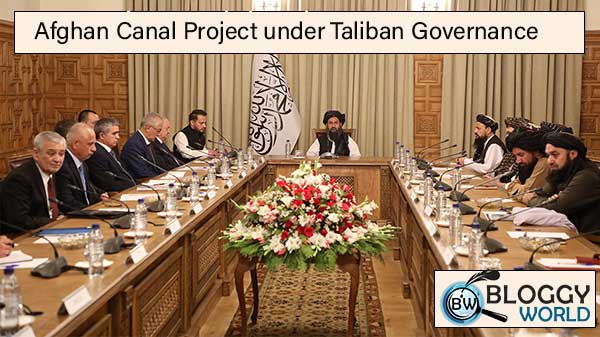
One of the most striking aspects of the Qosh Tepa Canal Project is the involvement of the Taliban, the group that recently assumed control of Afghanistan. This development has raised numerous questions and concerns about the project’s management, execution, and impact.
The Taliban’s role in the project suggests a significant shift in governance and power dynamics. Their influence over the canal’s construction and operation could have far-reaching consequences, both for Afghanistan and its neighboring countries.
Impact on Amu Darya River and Water Conflict in Central Asia:
The diversion of water from the Amu Darya, as planned in the Qosh Tepa Canal Project, has ignited concerns among neighboring countries. Altering the flow of a vital river in a water-scarce region can lead to diplomatic disputes. It poses significant challenges to water management.
The potential implications include reduced water downstream, affecting agriculture, drinking water supplies, irrigation systems, and ecosystems in countries downstream from Afghanistan. Uzbekistan and Turkmenistan, both heavily reliant on the Amu Darya’s waters, have expressed reservations about the canal’s impact on their water resources.
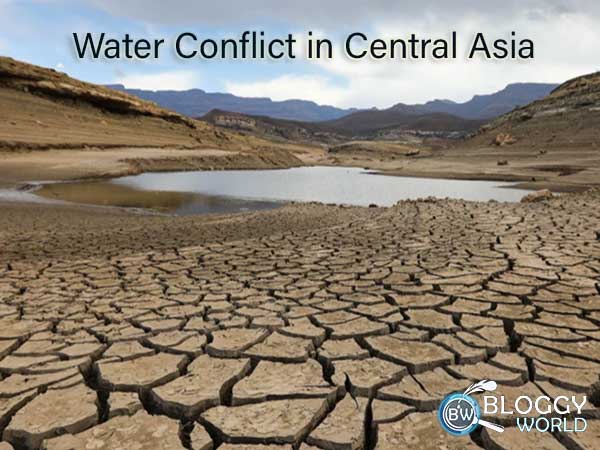
Water conflict in Central Asia is not new. Historical disputes over water allocation, irrigation systems, and dam construction have created tensions in the region. The shrinking of the Aral Sea due to excessive water withdrawals serves as a stark reminder of the consequences of inadequate water management.
The Qosh Tepa Canal Project, with the Taliban’s involvement, introduces a new dimension to the region’s water dynamics. While the project offers hope for Afghanistan’s development. It also raises questions about its governance and the potential for increased water conflict in Central Asia.
As the project progresses, it is essential for all stakeholders to engage in transparent dialogue and cooperation to mitigate potential disputes and secure the region’s water future. Sustainable water management is a shared responsibility that affects the livelihoods and well-being of millions in Central Asia.
Crucial Test for the Taliban:
For the Taliban, this canal project represents more than just an infrastructure development. It is a test of their governance capabilities, especially as they face international isolation. Taking over the project in 2021, they swiftly allocated approximately $100 million for its construction. A significant portion of Afghanistan’s annual tax income.
“Praise be to God, the work is progressing as planned,” Abdul Ghani Baradar, the deputy prime minister and a senior Taliban leader, said in March during one of several site visits.
A Narrative of Self-Reliance:
The Taliban leaders have embraced the canal project as a symbol of Afghan self-reliance. Abdul Ghani Baradar, the deputy prime minister and a senior Taliban leader, said in March during one of several site visits.“Praise be to God, the work is progressing as planned.”
“Qosh Tepa provides the Taliban with a good narrative. ‘See, this is a project fully designed and fully funded by Afghans with no foreign support. We can do whatever the previous government couldn’t with Western support,’” said Mohammed Faizee, a former deputy foreign minister,
In conclusion, the Qosh Tepa Canal project is a mega-development project. It carries immense significance for northern Afghanistan. It offers hope for addressing food security, irrigation systems, economic development, self-reliance, and water conflict. Navigating these challenges effectively will be crucial for realizing the project’s potential. While ensuring equitable water distribution and minimizing water conflicts in Central Asia. The world will closely watch the unfolding developments and their impact on the region’s stability and prosperity.