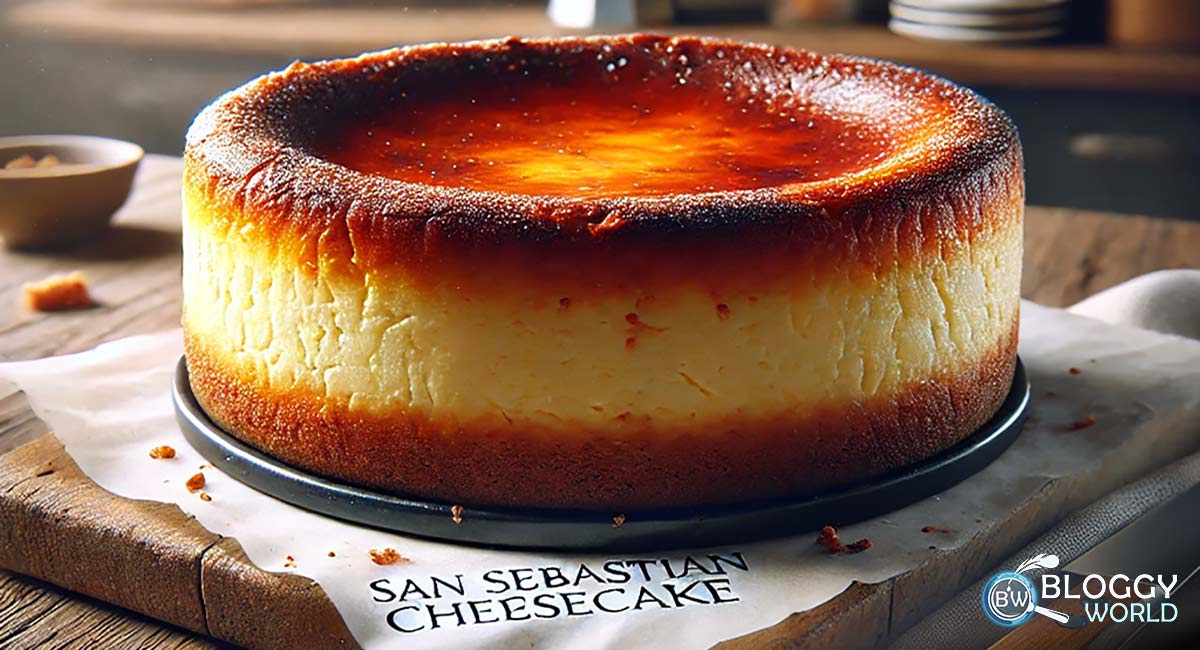
La Viña San Sebastian Cheesecake A Global Appeal of Basque Burnt Cheesecake. San Sebastian cheesecake, also known as Basque Burnt cheesecake, has become a global dessert sensation for its rich, creamy interior and caramelized top. Originating from Spain, this cheesecake is loved for its rustic appearance and unique flavor. But what makes it so special? Let’s delve into its history, and why it’s a global sensation.
History of San Sebastian Cheesecake:
San Sebastian cheesecake was first created in 1990 at La Viña, a small restaurant in San Sebastian, Spain. Chef Santiago Rivera developed this recipe, aiming to create a cheesecake unlike the dense and structured New York style. He achieved this by baking at a high temperature to caramelize the surface, leaving the center creamy and molten.
Initially a local favorite, this cheesecake gained fame in Spain for its simplicity and extraordinary flavor.
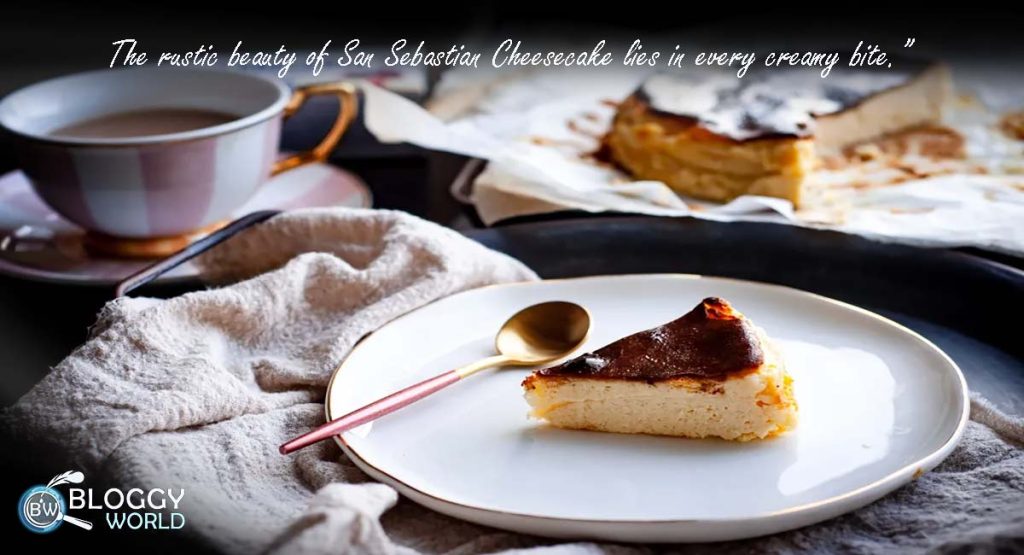
San Sebastian cheesecake, Basque Cheesecake, and burnt cheesecake:
The San Sebastian cheesecake, Basque cheesecake, and Burnt Cheesecake are often used interchangeably, as the San Sebastian cheesecake is a specific style of burnt cheesecake.
Key Differences:
| Aspect | San Sebastian Cheesecake | Burnt Cheesecake |
|---|---|---|
| Origin | San Sebastian, Spain | General burnt cheesecake style |
| Texture | Creamy, custard-like | Can vary—creamy or dense |
| Appearance | Cracked edges, rustic look | Smoother finish possible |
| Flavor | Balanced sweetness and tang | More varied, based on recipe |
| Standardization | Specific to La Viña’s recipe | Broader interpretations |
In short, San Sebastian cheesecake is a specific and iconic type of burnt cheesecake, while the term burnt, basque cheesecake encompasses a broader range of recipes inspired by this style.
How It’s Served Worldwide?
San Sebastian Cheesecake (Basque cheesecake, and Burnt Cheesecake) has transcended borders, appearing in cafes, bakeries, and fine dining restaurants worldwide. While the original version remains true to its Basque roots, many countries have added their twists:
Australia: Paired with seasonal fruits and mint.
United States: Often served with fresh berries or a dollop of whipped cream.
Japan: Enhanced with matcha or yuzu flavors.
Middle East: Garnished with pistachios or a drizzle of honey.
Global Popularity: Fame Across Countries
Middle East: In countries like UAE and Qatar, it is a café staple, often infused with local flavors like saffron and pistachio.
Japan: In Japan, San Sebastian cheesecake is called Basque cheesecake, named after the Basque region of Spain. Japanese patisseries elevated its reputation by adding a lighter, silkier texture.
United States: Known as burnt cheesecake, it gained traction through social media and upscale bakeries in cities like New York and Los Angeles.
Australia: Often featured in cafes, Australians love pairing it with coffee, calling it rustic cheesecake.

France: In France, it is known as gâteau Basque brûlé, becoming a refined dessert served in Michelin-starred restaurants.
Famous Bakeries for San Sebastian Cheesecake Around the World:
San Sebastian cheesecake is now a global phenomenon, and several bakeries and restaurants have perfected their versions of this “Burnt, Basque Cheesecake” delight. Here’s a list of some renowned places where you can find the best San Sebastian cheesecake:
1. La Viña (San Sebastian, Spain):
Why Famous: The birthplace of San Sebastian cheesecake, La Viña offers the original version with its signature creamy texture and caramelized top. A must-visit for cheesecake lovers.
La Viña’s authentic recipe includes just a few ingredients: cream cheese, sugar, eggs, heavy cream, and a touch of flour. This simplicity is what makes it extraordinary
Today, La Viña San Sebastian cheesecake continues to attract dessert enthusiasts from all over the globe, eager to taste the cheesecake that started it all.
Address: 31 de Agosto Kalea, 3, 20003 Donostia, Gipuzkoa, Spain.
2. Rikuro Ojisan no Mise (Osaka, Japan):
Why Famous: Known for its Basque cheesecake, this bakery adds a Japanese twist by making it lighter and fluffier. Their cheesecakes are often Instagram-worthy.
Address: Multiple outlets across Japan, with a flagship store in Osaka.
3. Lune Croissanterie (Melbourne, Australia):
Why Famous: Lune is a haven for pastry lovers, and their San Sebastian cheesecake is celebrated for its balanced sweetness and creamy perfection.
Address: 119 Rose St, Fitzroy VIC 3065, Australia.
4. Dominique Ansel Bakery (New York, USA):
Why Famous: Chef Dominique Ansel, famous for the Cronut, offers a luxurious San Sebastian cheesecake that blends traditional and modern baking techniques.
Address: 189 Spring St, New York, NY 10012, USA.
5. Brix Desserts (Dubai, UAE):
Why Famous: A Middle Eastern twist on the classic, Brix’s San Sebastian cheesecake incorporates local flavors like rose water and saffron.
Address: Al Safa, City Walk, Dubai, UAE.
6. Pierre Hermé (Paris, France):
Why Famous: Known for its elegant French desserts, Pierre Hermé offers a refined gâteau Basque brûlé (San Sebastian cheesecake) with a perfect balance of sweetness and creaminess.
Address: 72 Rue Bonaparte, 75006 Paris, France.
7. The Cheesecake Factory:
Why Famous: While The Cheesecake Factory specializes in a variety of cheesecakes, its take on the San Sebastian cheesecake is a crowd-pleaser available in many countries like the United States, Canada, the United Arab Emirates, Kuwait, Saudi Arabia, Qatar, Bahrain, Mexico, and the Chinese Mainland.
Where to Buy the Best San Sebastian Cheesecake?
If you’re craving the indulgent, caramelized flavor of San Sebastian cheesecake, several iconic spots around the globe are known for their unique tastes on this classic dessert.
Online: Many artisanal bakeries now deliver San Sebastian cheesecakes globally. Check platforms like Goldbelly for premium options.
Here’s where you can find the best versions, whether you’re traveling or ordering online.
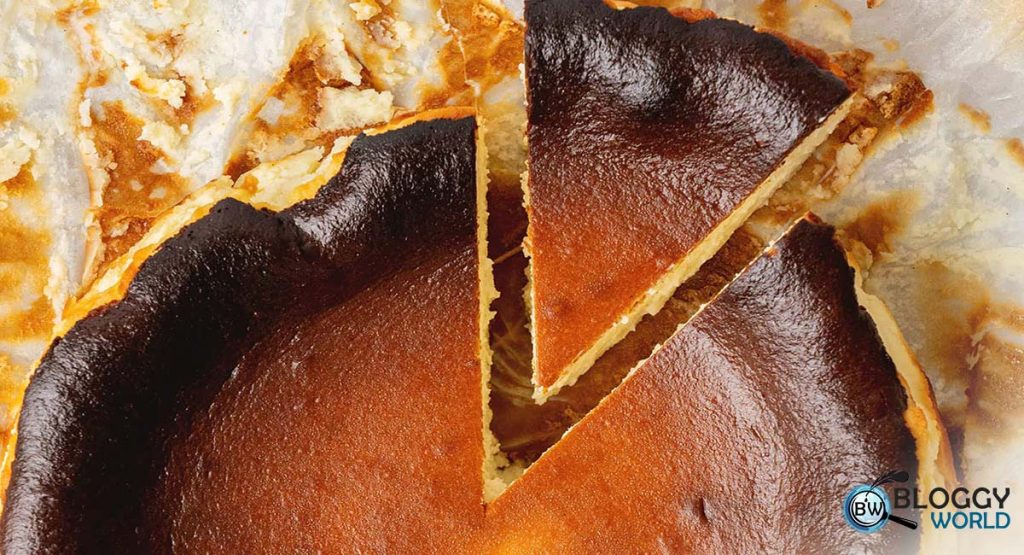
1. In Spain: La Viña, San Sebastian:
Why It’s the Best:
La Viña remains a must-visit destination for cheesecake lovers. Nestled in the heart of San Sebastian, this humble eatery continues to serve its signature dessert to fans from all over the world. The current price for a slice at La Viña is approximately €5–6, while a whole cheesecake ranges from €45–50.
Location:
31 de Agosto Kalea, 3, 20003 Donostia, Gipuzkoa, Spain.
2. In Japan: Rikuro Ojisan no Mise & PABLO Cheesecake:
Why It’s Unique:
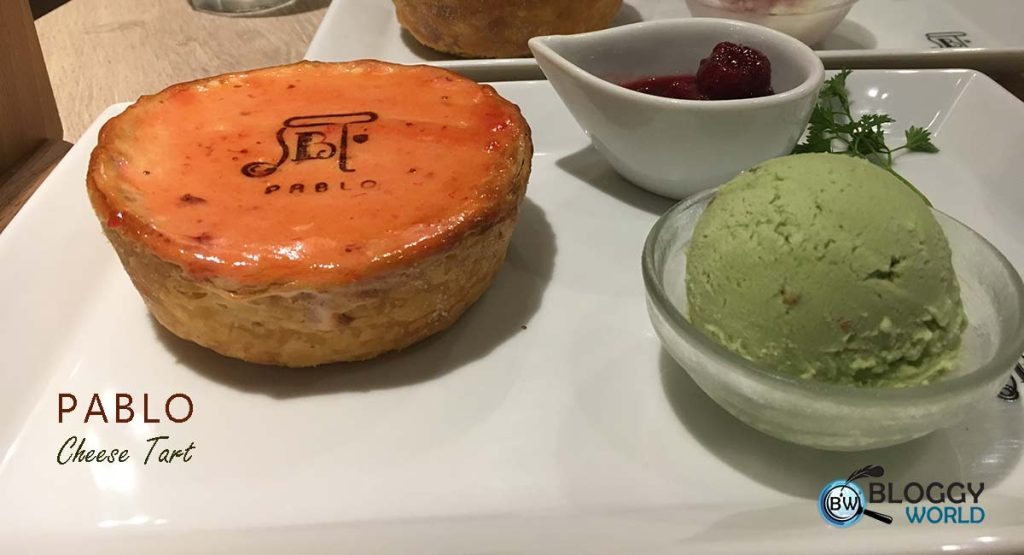
Japan has embraced the San Sebastian cheesecake with its own culinary finesse. At Rikuro Ojisan no Mise, the cheesecake is lighter and fluffier, with a hint of sweetness that aligns with Japanese palates. Meanwhile, PABLO Cheesecake offers Basque-inspired cheesecakes with innovative twists, such as matcha or seasonal fruit toppings.
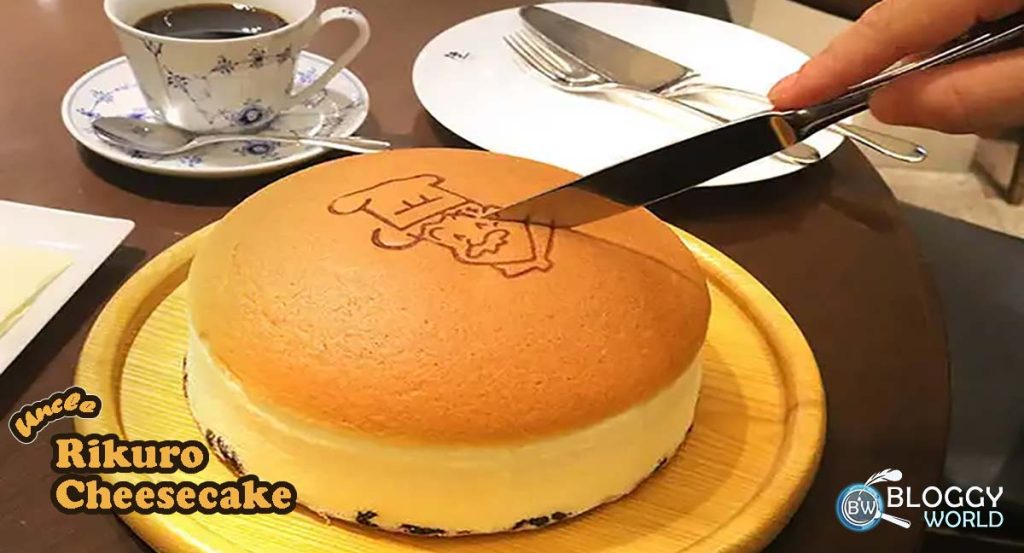
Locations:
- Rikuro has outlets across Japan, including its flagship store in Osaka.
- Rikuro 3 Chome-2-28 Namba, Chuo Ward, Osaka, 542-0076, Japan
- PABLO is available in major cities like Tokyo, Kyoto, and Osaka.
- PABLO, Japan, 〒542-0085 Osaka, Chuo Ward, Shinsaibashisuji, 2 Chome−8−1 心斎橋ゼロワンビル1F
Pro Tip:
Try their takeaway options, beautifully packaged for gifts.
3. In the USA: Dominique Ansel Bakery and Local Cafes:
Why It’s a Must-Try:
Dominique Ansel Bakery in New York City, USA is renowned for reinventing desserts, and their San Sebastian cheesecake doesn’t disappoint. It’s rich, luxurious, and often served with a modern twist. Additionally, many specialty cafes across New York and Los Angeles have perfected their versions, making it a trendy dessert across the States.
Locations:
- Dominique Ansel Bakery: 189 Spring St, New York, NY 10012.
- Specialty cafes in food hubs like Brooklyn and Silver Lake in Los Angeles.
Pro Tip:
Check seasonal menus for unique flavor variations.
4. In the UAE: Brix Desserts, Dubai:
Why It’s Special:
In Dubai, UAE Brix Desserts offers a Middle Eastern twist on the classic San Sebastian cheesecake, incorporating flavors like saffron, pistachio, and rose water. Their desserts are not only delicious but also visually stunning, making them perfect for Instagram-worthy moments.
Location:
Jumeirah Fishing Harbour – Shop 1 – Al Urouba St – Jumeirah – Jumeirah 2 – Dubai
Pro Tip:
Pair the cheesecake with their signature coffee blends for a delightful dessert experience.
5. Online: Global Delivery Options:
Why It’s Convenient:
For those who can’t travel, many artisanal bakeries now deliver high-quality San Sebastian cheesecakes worldwide. Platforms like Goldbelly partner with top bakeries to ship these creamy delights straight to your doorstep. You can also explore local gourmet stores or bakeries that offer their versions online.
Where to Order:
Many independent bakeries offer shipping directly from their websites.
Pro Tip:
Order in advance for special occasions to ensure on-time delivery.
Prices vary widely, with slices costing $6–10 and whole cakes ranging from $30–60 depending on location.
FAQs
What is San Sebastian Cheesecake?
La Viña San Sebastian Cheesecake, also known as Basque Burnt Cheesecake, is a crustless cheesecake with a caramelized top and creamy interior, originating from La Viña restaurant in Spain.
Who invented San Sebastian Cheesecake?
It was created by Chef Santiago Rivera at La Viña in San Sebastian, Spain, in 1990.
What makes San Sebastian Cheesecake different from traditional cheesecake?
Its burnt top, crustless base, and creamy texture set it apart from dense, traditional cheesecakes.
Why is it called Basque Burnt Cheesecake?
The term “Basque Burnt Cheesecake” refers to its origins in the Basque region of Spain and its signature caramelized, “burnt” top.
How is La Viña San Sebastian Cheesecake served?
It’s often served plain but can be paired with fruits, whipped cream, or flavored syrups depending on regional preferences.
Which countries are famous for their versions of San Sebastian Cheesecake?
Spain, Japan, the United States, Australia, and the Middle East all have popular takes on this dessert.
Can I make La Viña San Sebastian Cheesecake at home?
Yes, it’s made with simple ingredients like cream cheese, heavy cream, sugar, eggs, and flour, baked at high heat for a unique texture.
Where can I try the original San Sebastian Cheesecake?
The original version is served at La Viña in San Sebastian, Spain.
What does San Sebastian Cheesecake taste like?
It has a rich, creamy taste with a slight bitterness from the caramelized top, balanced by subtle sweetness.
Are there any famous bakeries selling San Sebastian Cheesecake?
Yes, notable examples include Keki Modern Cakes (USA), LeTAO (Japan), Basuku Cheesecakes (UK), and The Cheesecake Shop (Australia).
Is San Sebastian Cheesecake Turkish or Japanese?
Although popular in Turkey and with variations in Japan, San Sebastian Cheesecake is purely Spanish in origin. It’s a product of Basque culinary traditions, gaining international fame for its unique preparation.
No matter where you are, a slice of San Sebastian cheesecake is never too far away. Whether you’re indulging in the authentic version at La Viña or exploring creative adaptations in Japan or the UAE, this dessert promises a delectable experience for food lovers every time.