Upskilling and reskilling are essential in preparing for the future of work. As AI and technology advance at a rapid pace, many traditional jobs are evolving or even fading away. But there’s good news—these changes are also creating exciting new opportunities, and gaining the right skills can help you stay ahead. Let’s explore How Upskilling and Reskilling Can Protect Your Job in the Age of AI, expand your career options, and get you ready for the jobs of tomorrow. Why learning new skills has become a must in today’s technology-driven world.
Why Upskilling and Reskilling Are So Important
As technology advances, it’s changing how businesses operate and the types of skills they need. AI, automation, and data-driven tools are handling many routine tasks, while new roles are emerging that require specific skills. Degrees are still valuable, but employers are increasingly looking for people with practical skills that they can apply right away.
Here’s why upskilling and reskilling are more important in 20225 and beyond:
- Jobs Are Evolving – Many jobs are now more complex and require updated skills that weren’t needed before. For example, a marketing role might now require knowledge of data analytics or digital marketing, while a traditional manufacturing job may involve working with advanced machines and automation.
- Career Growth and Flexibility – Upskilling and reskilling open up more career options and make you more flexible in your job. You’re not tied down to one role; you can transition to new roles as they emerge in the job market.
- Competitive Edge – Having current skills sets you apart. Employers value candidates who invest in themselves and keep up with changes in their field. In competitive job markets, those with the latest skills stand out.
- Future-Proof Your Career – With the right skills, you’re less likely to be left behind as jobs evolve. Upskilling and reskilling ensure you’re always prepared for the future.
What Are Upskilling and Reskilling?
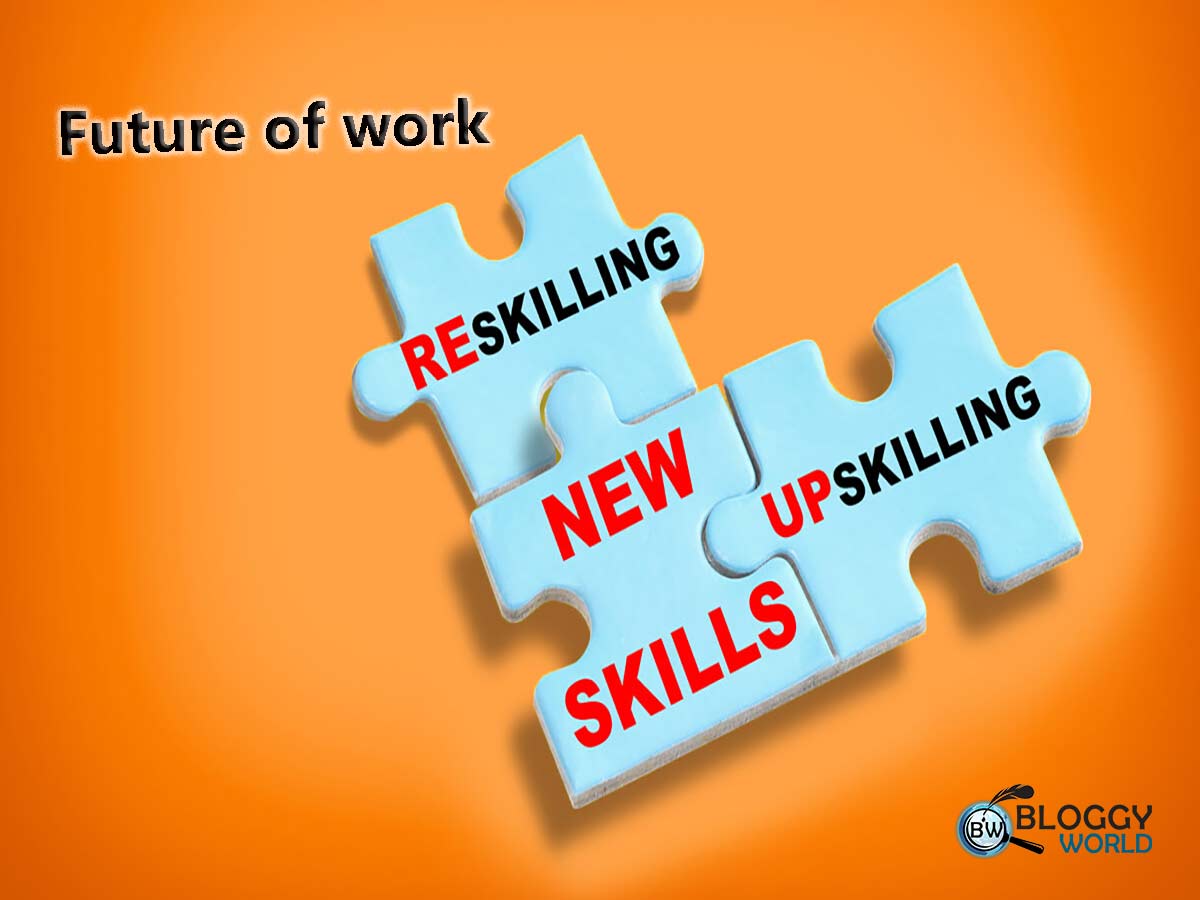
- Upskilling means learning new skills that add to your current expertise. This can help you move up in your career, handle more advanced tasks, or make yourself more valuable to employers.
- Reskilling involves learning an entirely new set of skills, usually to switch to a different role or industry. This can be useful if your current job is becoming outdated or if you’re interested in exploring new career paths.
How to Start Upskilling or Reskilling for the Future of Work:
Here are some steps to help you upskill or reskill your education and job effectively:
- Identify Your Goals: Think about where you want to be in your career. Are you aiming for a promotion, a switch to a new role, or better job security? Understanding your goals will help you decide which skills to focus on.
- Research In-Demand Skills: Look at current job postings or industry reports to see what skills are in demand. Common skills for the future include data analysis, digital marketing, AI, coding, cybersecurity, and project management. Soft skills like problem-solving, creativity, and communication are also in demand.
- Find the Right Training Resources: Many online platforms offer courses in almost any field. Websites like Coursera, Udacity, LinkedIn Learning, and even YouTube have courses you can start at your own pace. Some employers also offer upskilling programs, so check with your company.
- Invest in Certifications: Certification programs in specific areas can be a great way to prove your expertise. For example, a digital marketing certificate, project management credential, or coding bootcamp certificate can show employers you’re committed and skilled in your field.
- Practice What You Learn: Upskilling and reskilling aren’t just about gaining knowledge; they’re about applying it. Try to work on real-world projects, join communities in your field, or practice skills on platforms like GitHub if you’re learning to code.
- Stay Updated: Technology and industry trends change quickly. Stay updated by regularly reading articles, joining webinars, and attending workshops. This will help you keep your skills fresh and relevant.
Popular Skills for the Future of Work:
Not sure which skills to focus on? Upskilling and reskilling are the future of education and jobs. Here are some skills that are becoming essential as technology advances:
- Data Analytics – Companies need data-driven insights to make decisions. Learning how to analyze data can open up roles in almost any industry.
- Artificial Intelligence and Machine Learning – AI is everywhere, from product recommendations to automated processes. Understanding the basics of AI can set you apart.
- Digital Marketing – In a digital world, marketing requires skills like SEO, social media management, and content creation.
- Cybersecurity – With data breaches and cyber threats on the rise, skills in cybersecurity are highly sought after.
- Coding and Software Development – Coding is useful for tech jobs but also in fields like finance, healthcare, and education, where technology plays a major role.
- Project Management – Leading projects and teams is a valuable skill in any field. Certifications like PMP (Project Management Professional) can be beneficial.
FAQs:
1. How do I know which skills I need?
Look at job descriptions in your field. Industry reports or company training programs can also guide you on what’s trending.
2. Is upskilling expensive?
Not always. Many online platforms offer free courses, and some companies provide training. Paid courses or certifications can be worth the investment, especially if they lead to better job opportunities.
3. How long does it take to upskill or reskill?
It varies depending on the skill and how deeply you want to learn it. You can learn some skills in weeks, while others like coding need months of practice to become job-ready.
4. Can I upskill or reskill while working full-time?
Yes! Many online courses are self-paced, so you can learn in your free time. Planning a few hours each week can make it manageable.
5. Will these skills really help me get a better job?
Yes, having the right skills can make you more competitive and open up new career opportunities. Employers look for people who can adapt to change and bring valuable skills to their teams.
Take Charge of Your Future with Upskilling and Reskilling:
In a world driven by technology, the best way to secure your career is by continuously learning. Upskilling and reskilling give you the flexibility and knowledge to stay relevant, grow in your field, or even explore new ones. As job demands change, staying current with skills is essential for success. So, take that step toward your future work—start learning today and set yourself up for success in 2025 and beyond. This is the way How Upskilling and Reskilling Can Protect Your Job in the Age of AI.