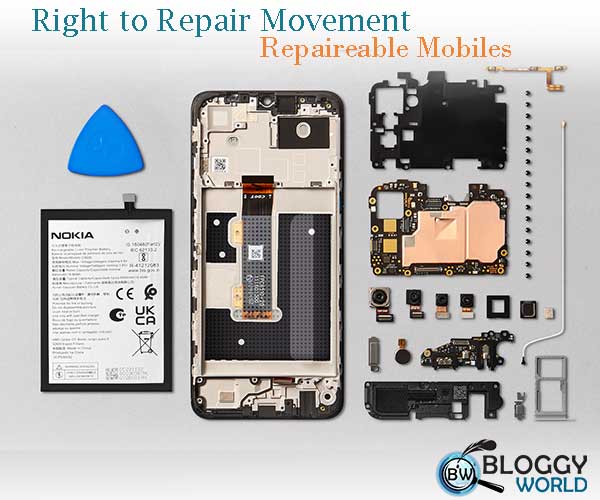
In a world where electronic devices have become an integral part of our daily lives, the European Union’s (EU) new rules have taken a significant step to empower consumers and reduce electronic waste. The new EU regulations under the “Right to Repair” movement are set to revolutionize the way we interact with our gadgets. With the introduction of new regulations, the EU is mandating replaceable batteries and Type-C chargers (universal charger) for all electronic devices.
The Right to Repair Movement: A Consumer-Centric Approach
“The ‘right-to-repair’ movement is a group of people who believe that individuals should have the freedom to fix and change their own gadgets.”
The Right to Repair movement is all about giving consumers the freedom to repair and modify their electronic devices. It challenges the prevailing culture of disposable electronics and encourages sustainable practices.
European Union (EU) New Rules for Electronic Devices:
All mobile phones, tablets, and cameras sold in the EU will come with a special kind of charging port called a USB Type-C charger, at the end of 2024. This rule will also apply to laptops, but not until the spring of 2026. The law was passed with most people voting for it (602 votes in favor), only a few against it (13), and some choosing not to vote (8). This law is part of a bigger plan by the EU to reduce waste from electronic devices and help you make choices that are better for the environment. The next step of this movement is replaceable batteries.
Standardizing Charging with Type-C Charger:
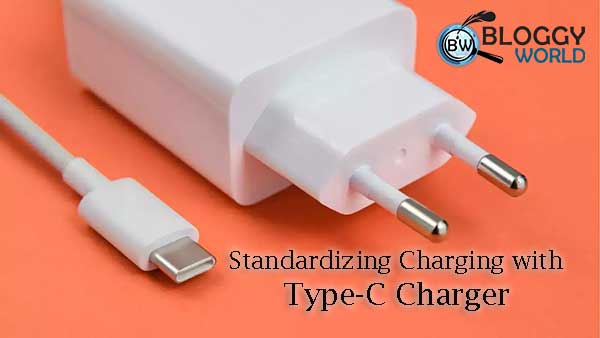
The European Parliament has voted to make USB-C the common charging standard in the EU
What Are the New Charger Rules for the EU?
The new charger rules require all electronic device manufacturers to provide a Type-C USB charger in the package. This ensures that consumers have access to a compatible charger with every purchase.
Reducing Charger Clutter:
The proliferation of various charger types has led to charger clutter and electronic waste. Type-C chargers (Universal charger) can charge multiple devices, reducing the need for multiple cables and adapters.
The EU’s Fight Against Electronic Waste
EU’s commitment to reducing e-waste is evident in these regulations. By promoting Type-C chargers (Universal chargers), they aim to reduce the number of chargers discarded annually.
Replacing Batteries: Extending Device Lifespans
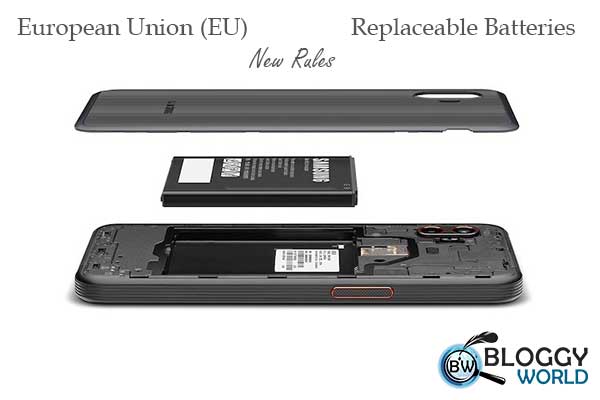
The EU’s new battery law stipulates that all electronic devices sold within the EU market must feature replaceable batteries. This regulation aims to extend the lifespan of devices by allowing users to easily swap out batteries when they degrade over time.
What is the EU New Battery Law?
The EU’s legislation on battery recycling is not only a significant step toward environmental sustainability but also a game-changer for the mobile industry. With a clear roadmap for implementation, manufacturers and consumers alike will witness a shift towards more sustainable, eco-friendly mobile devices. As these regulations take effect, the EU is leading the charge in shaping a future where electronic waste is minimized, and our mobile devices are designed for longevity and recyclability.
The Environmental Impact of Disposable Batteries:
Disposable batteries are a significant source of electronic waste. The European Union (EU) new Battery law seeks to mitigate this by promoting recycling, restricting hazardous substances, and encouraging eco-friendly battery design.
Empowering Consumers with Replaceable Batteries
Consumers will now have the option to replace their device’s battery, prolonging the life of their gadgets and reducing the need for frequent upgrades.
Categories of devices concerned
The new rules will apply to a wide range of portable devices:
- Mobile phones
- Tablets and e-readers
- Digital cameras and video game consoles
- Headphones, earbuds, and portable loudspeakers
- Wireless mice and keyboards
- Portable navigation systems
In addition, all laptops will also be covered by the new rules 40 months following the entry into force of the directive.
Shaping the Future of the Mobile Industry:
Sustainable Design
With the new battery recycling legislation in place, mobile device manufacturers must reevaluate their product design strategies. Sustainability is no longer a choice but a necessity. In addition, this shift will lead to mobile devices that are more eco-friendly and longer-lasting.
Battery Replacement Made Easy
Consumers can bid farewell to the days of struggling to replace a smartphone battery or relying on costly service centers. Mobile manufacturers are now required to ensure that battery replacement is a hassle-free process. Moreover, this benefits consumers by extending the lifespan of their devices and reducing electronic waste.
Impact on Consumers and Manufacturers
Consumer Benefits and Cost Savings
Consumers will benefit from longer-lasting devices, reduced electronic waste, and cost savings. As they won’t need to purchase new chargers for every device.
hallenges and Adaptation for Manufacturers
Manufacturers will need to adapt their designs and production processes to comply with the new regulations. However, this shift towards sustainability can also present opportunities for innovation and differentiation.
The EU’s commitment ( Right to Repair) to battery recycling and universal chargers is reshaping the mobile industry. Furthermore, It is promoting a more sustainable future. With clear legislation in place, manufacturers are compelled to design eco-friendly devices. As the rules come into effect, the EU stands at the forefront of global efforts to reduce electronic waste and promote responsible consumption.