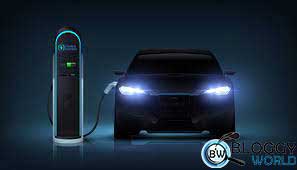
Electric transportation vehicle:
An electric vehicle (EV) is a vehicle that uses one or more electric motors for propulsion. EVs are an increasingly common sight and not just personal passenger electric cars. Electric buses and trucks are ready to hit the road. Electric Vehicles: A Sustainable Future Solution to Transportation. EVs have emerged as a popular alternative to traditional gasoline-powered vehicles, as the world becomes more conscious about climate change and its impact on the environment.
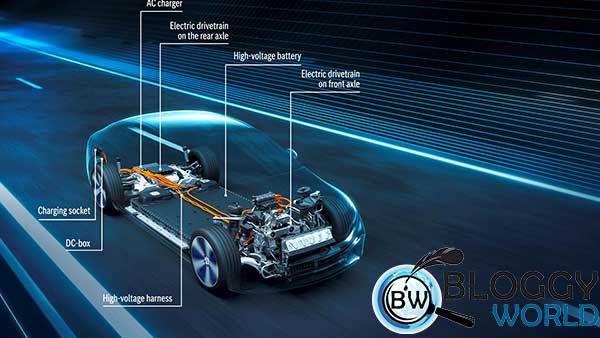
How do Electric Vehicles Work?
Electric vehicles run on an electric motor powered by a rechargeable battery pack. The battery pack is charged by plugging it into an electric power source, such as a charging station or a wall outlet, or electric roads. The battery pack stores energy which is then converted into electricity to power the motor that drives the wheels of the vehicle. This eliminates the need for an internal combustion engine, which means that there are no tailpipe emissions from electric cars.
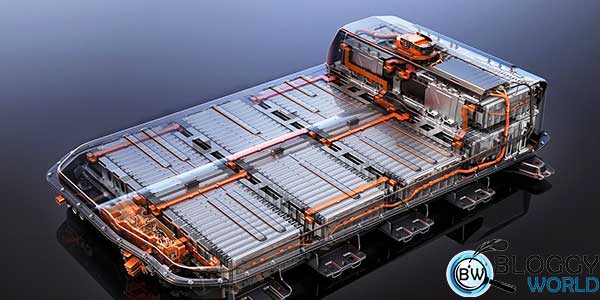
Best Batteries for Electric Vehicles:
Electric vehicle batteries are the heart of electric cars. These rechargeable batteries store the energy needed to power the vehicle’s electric motor. The most common type of electric vehicle battery is a lithium-ion battery, which is lightweight and has a high energy density. The size of the battery pack and its capacity determine the driving range of an electric vehicle. The lifespan of the best electric vehicle battery depends on several factors, including the manufacturer, type of battery, and usage patterns. As technology advances, battery technology is improving, leading to longer driving ranges and shorter charging times. An EV battery mean that each battery pack is expected to retain its charging-discharging capacity from 100,000 to 200,000 miles.
What are the Types of Electric Vehicles?
There are three types of electric vehicles:
- Battery Electric cars (BEVs): These run entirely on battery power and have no gasoline engine. They need to be charged from an external power source.
- Plug-in Hybrid (PHEVs): These have both an electric motor and a gasoline engine. They can run on electric power alone, gasoline power alone, or a combination of both. They can also be charged from an external power source.
- Hybrid (HEVs): These vehicles have both an electric motor and a gasoline engine. However, the electric motor is only used to assist the gasoline engine.
Advantages and Disadvantages of Electric Vehicles:
There are some pros and cons of Electric vehicles.
Advantages of electric vehicles:
Electric cars are more environmentally friendly because:
- They don’t use fossil fuels and are therefore much more sustainable.
- They are extremely quiet, so contribute less to noise pollution.
- They have zero harmful emissions and that means significantly less pollution on the road.
- The most significant perk has to be the lack of fuel costs.
- Reduced dependence on foreign oil.
- Some governments offer incentives for EV owners.
Disadvantages of electric vehicles:
Electric cars are quick, efficient, and environmentally friendly. Yet with every new technology, there are differences and some potential disadvantages. These are as follows:
- People who need to travel long distances are concerned about finding adequate charging stations in the middle of their journey.
- Unlike conventional automobiles, charging an electric vehicle takes many hours.
- Have a shorter driving range.
- Higher upfront cost compared to gasoline-powered vehicles.
- Limited availability of charging stations.
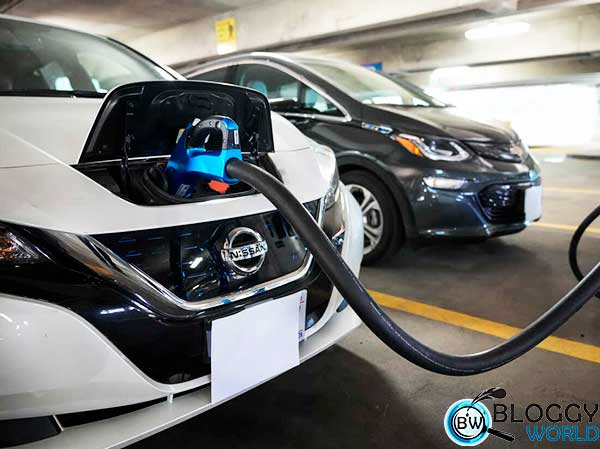
List of Top Electric Cars:
These are a few best electric cars:
- Tesla Model S
- Nissan Leaf
- Chevrolet Bolt EV
- BMW i3
- Ford Mustang Mach-E
- Volkswagen ID.4
- Audi e-tron
- Porsche Taycan
- Hyundai Kona Electric
- Kia Niro EV
Future Solution:
Electric Vehicles: A Sustainable Future Solution to Transportation. The advancements in battery technology are making EVs more affordable and with longer driving ranges. Additionally, the increasing demand for clean energy sources and the urgency to address climate change are driving the growth of the EV market. The potential benefits of electric vehicles, such as reducing emissions, saving money on fuel, and increasing energy independence, are driving their adoption. Overall, the future of electric cars seems bright, and it’s likely that they will continue to gain popularity and become an increasingly common mode of transportation in the future years.