Browsing Category
Geography is the study of the Earth and its features. Geography is about the earth, water, air, and living things, particularly understanding the relationships between people.
The word “geo” comes from Greek, which means “Earth”, and “graph” which means “writing”.
It’s like putting together a big puzzle. It is all about connecting the pieces between the Earth and the people who live on it. There are three main types of geography:
It helps us understand not just where things are but why they are there and how they relate to each other.
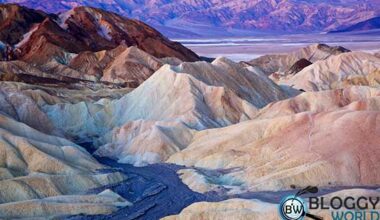
Physical Geography focuses on Earth’s natural features like mountains, rivers, and weather. It’s about understanding the forces that have sculpted our landscapes over millions of years. Physical geography investigates natural disasters like earthquakes, hurricanes, and volcanic eruptions. While these events can be devastating, studying them helps us better understand and prepare for the unpredictable side of our dynamic planet.
It’s about appreciating the beauty, understanding the processes, and recognizing the interconnectedness of the physical features that make Earth an awe-inspiring home.
Here are some key components of physical geography:
On the whole, understanding these components allows physical geographers to analyze the Earth’s features, processes, and interactions, contributing to our knowledge of the dynamic and interconnected systems that shape the planet.
Human geography is one of the main branches of geography. It is like looking closely at how people live on our planet and how they affect the Earth. It’s a bit like studying a big, detailed picture of human life. We try to understand how groups of people work together, how their cultures change over time, and how the places they live in are shaped by their actions. Let’s take a closer look at the different ways human geography explores these aspects:
In brief, human geography serves as a window into the diverse ways in which people shape, experience, and adapt to their surroundings. By understanding these various types of human geography, like Cultural Geography, Social Geography, Economic Geography, Political Geography, Population Geography, Development Geography, and Urban Geography we gain insights into the complex relationships between societies and the Earth’s surface.
Environmental geography is a bit like being an Earth detective. It’s the branch of geography that explores how people interact with their environment and how these interactions affect the world around us. Furthermore, it is a journey to understand the delicate balance between humans and the Earth. Let’s take a closer look at what environmental geography involves:
On the whole, it is all about understanding the dance between people and the planet. In fact, it helps us make better choices to ensure a healthy and sustainable future for both us and the Earth.
In a nutshell, geography is the ultimate exploration. It’s about discovering the secrets of our world, understanding how everything fits together, and appreciating the incredible diversity that makes Earth a unique and dynamic planet.