Learning to read starts with understanding letter sounds, which is the foundation of phonics. Are you ready to help your child start their reading journey? If you’re wondering what letter sounds are, how they differ from letters, and how to teach them effectively, this is A Fun Guide to Teach Phonics Letter Sounds for Kids.
Teaching phonics begins with understanding letter sounds— we’ll explore Phase One of Jolly Phonics, where kids begin by learning the sounds each letter makes. We’ll cover simple examples, activities, and games that make learning A Fun Guide to Teach Phonics Letter Sounds for Kids, so your child can enjoy the process. By the end, you’ll have a clear plan to make learning phonics enjoyable and easy for both you and your little one.
What are Letter Sounds?
Letter sounds, also known as phonemes, are the basic sounds that letters make. For example, the letter “a” makes the sound /a/ as in “apple,” and the letter “m” makes the sound /m/ as in “mat.” By learning these sounds, children can start to decode words and begin reading. teach letter sounds is the first step to start your child’s education.
What is the difference between a letter and a sound?
A letter ( graphemes ) is a symbol or character that we see in written language, like “A,” “B,” or “C.” Letters are the building blocks of words.
A sound (or phoneme) is the noise that a letter or group of letters makes when we say it out loud. For example, the letter “S” makes the /s/ sound, like in the word “sun.”
Key Difference:
- Letter: What we see (e.g., the letter “A”).
- Sound: What we hear (e.g., the /a/ sound as in “apple”).
When teaching kids letter sounds, it’s important to start with the basics and keep things simple. In the beginning, we want to focus on one clear sound for each letter, so that children can easily understand and remember. Introducing complicated or confusing sounds too early can make learning harder for them.
Why Simple Sounds Are Important:
Sometimes, one letter can make different sounds depending on the word (like “c” in “cat” vs. “city”), and sometimes, a single sound can be made by more than one letter (like the /f/ sound in “fun” and “phone”). Understanding both letters and sounds is important for learning to read and spell.
Building Confidence: By sticking to simple letter sounds, children can quickly learn to recognize and pronounce these sounds in words. For example, teaching “C” as /k/ in “cat” and “G” as /g/ in “grass” helps them understand the connection between letters and sounds. This builds their confidence and makes learning fun and rewarding.
Consistency: When kids are just starting to learn, it’s crucial to be consistent. For example, when teaching the letter “C,” you should teach it with a sound that’s easy to understand, like /c/ as in “cat.” This way, children associate the letter “C” with one clear sound.
Avoiding Confusion: Some letters can make different sounds in different words. For example, “C” sounds like /k/ in “cat” but like /s/ in “city.” Similarly, the letter “G” can sound like /g/ in “grass” but like /j/ in “giraffe.” If we introduce these different sounds too early, it can confuse kids and make it harder for them to grasp the basics of reading.
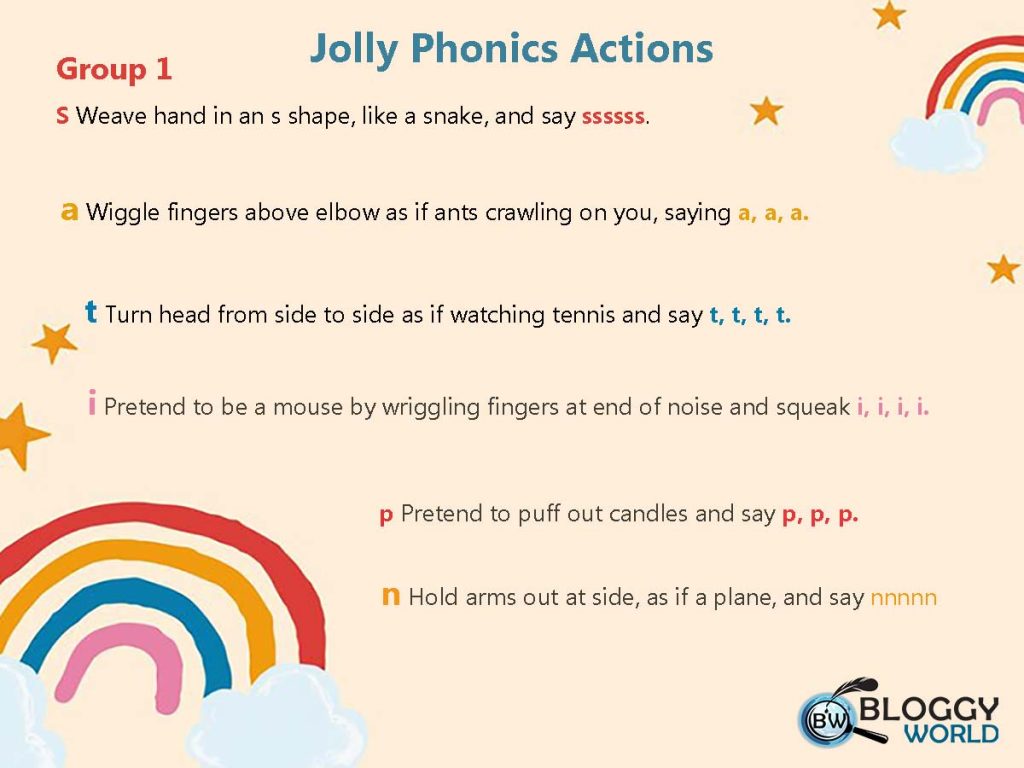
Traditionally, when teaching letter sounds, we start with the ABCs in order, from A to Z. But Jolly Phonics takes a different and more effective approach. Instead of following the alphabet sequence, Jolly Phonics is divided into 7 phases, and we begin teaching with the first phase.
Why Start with s, a, t, i, p, n?
In Phase One of Jolly Phonics, we focus on the sounds s, a, t, i, p, and n first set of phonics. You might wonder why we start with these letters instead of the usual “A, B, C.” The reason is simple: these letters are some of the most common sounds in English and can be easily blended together to form simple words like “sat,” “pin,” “tip,” and “pan.”
By teaching these sounds first, children can quickly move on to the next step—blending these sounds to create words. This makes learning to read much easier and more rewarding because they can start reading simple words sooner. Starting with these specific sounds helps kids see early success, which builds their confidence and excitement for learning.
How to Teach Letter Sounds?
Teaching letter sounds is the first step in helping your child learn to read. Here’s the first lesson to get started phonics curriculum:
- Introduce One Sound at a Time:
- Start with simple, commonly used sounds like “s,” “a,” “t,” and “i.”
- Say the sound clearly and ask your child to repeat it.
- Use Visuals:
- Show the letter as you say the sound.
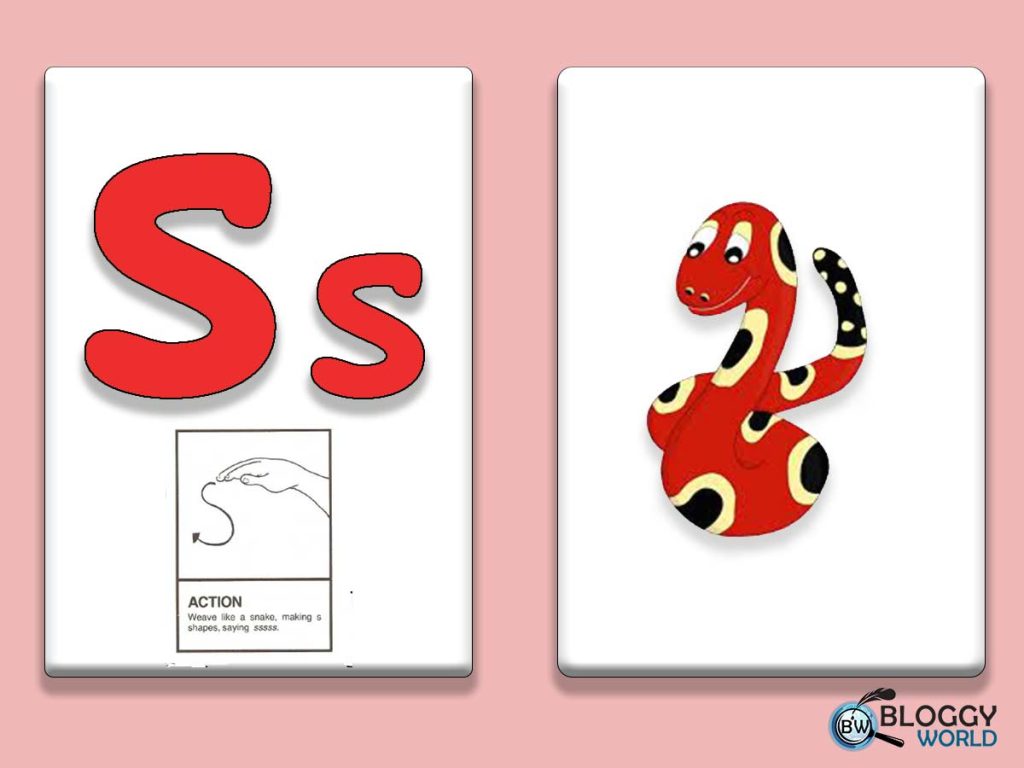
- Use flashcards with pictures that start with the letter sound, like “s” for “snake.”
- Incorporate Movement:
- Use actions to represent each sound. For example, for the letter “s,” pretend to be a snake and make a hissing sound.

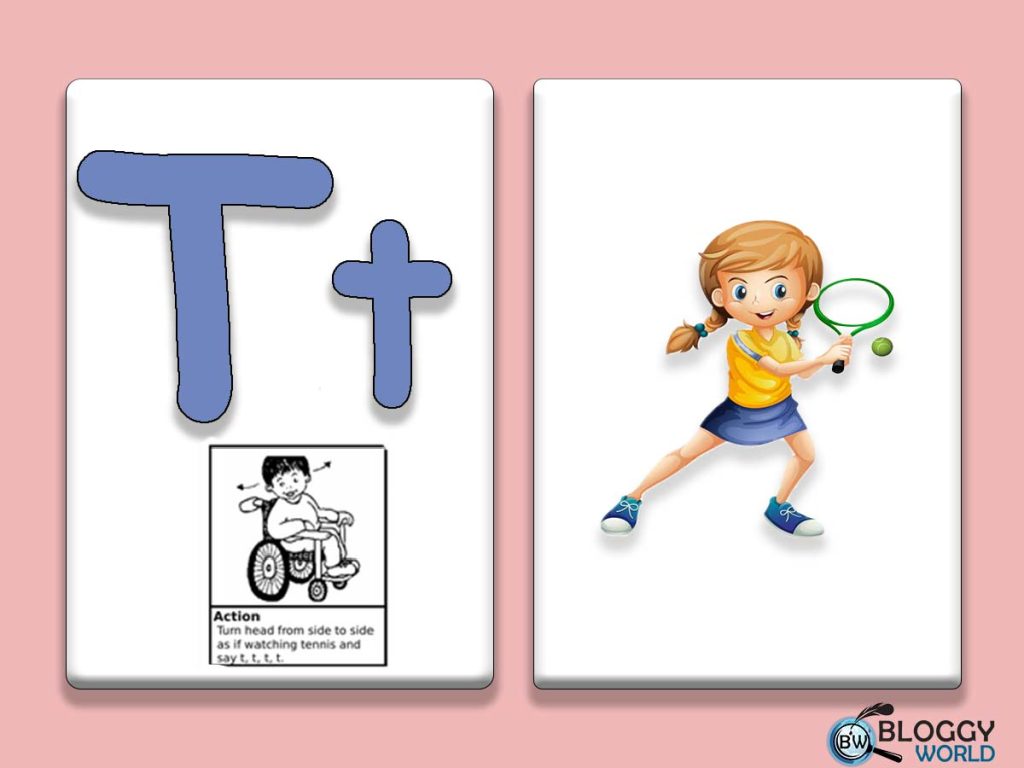

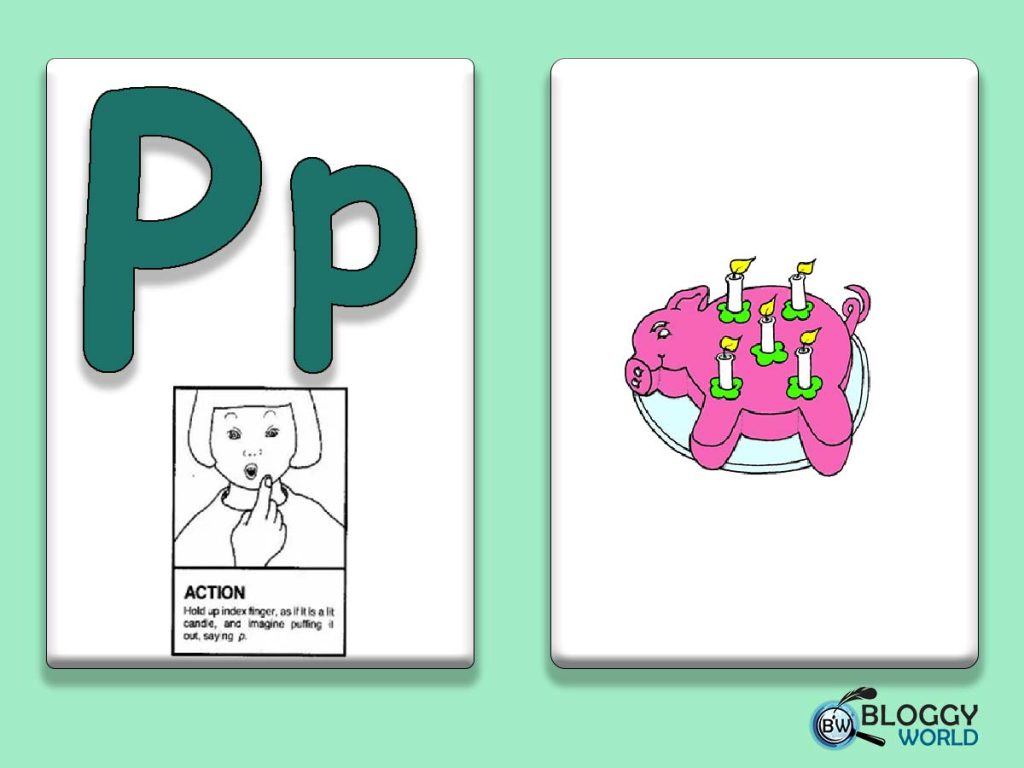
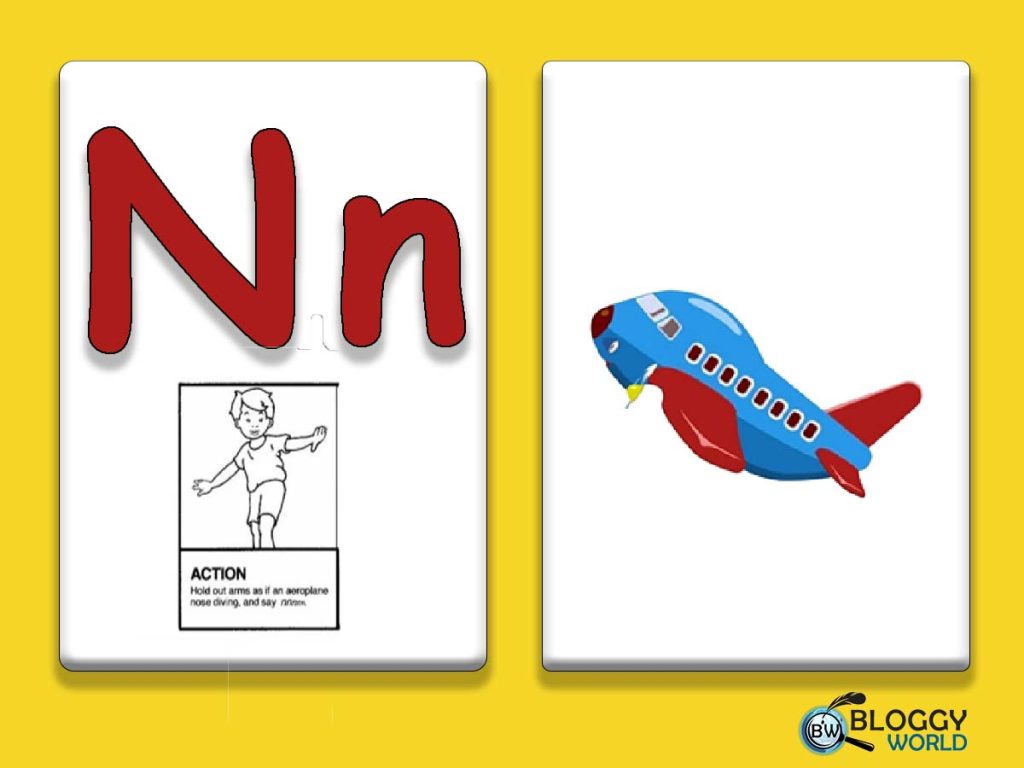
Fun Activities for Teaching Letter Sounds:
The best way to Introduce Letters and Sounds with these easy educational activities:
- Sound Hunt:
- Hide objects around the house that start with the letter sound you’re teaching.
- Ask your child to find them and say the sound out loud.
- Letter Sound Match:
- Create a set of cards with letters and another set with pictures of objects.
- Have your child match the letter to the correct picture (e.g., “m” with “monkey”).
- Sound Hopscotch:
- Draw hopscotch squares with letters in each one.
- As your child hops to each square, they should say the sound of the letter.
Games to Make Learning Fun:
Here are some simple games that make learning letter sounds enjoyable:
- Alphabet Bingo:
- Create bingo cards with letters.
- Call out letter sounds, and your child can cover the corresponding letter on their card.
- Sound Relay:
- Write letters on sticky notes and place them on a wall.
- Say a sound, and your child has to run and stick the note with the correct letter.
- Memory Match:
- Create pairs of cards, one with a letter and the other with an object that starts with that sound.
- Lay them face down, and your child can flip them over to find matching pairs.
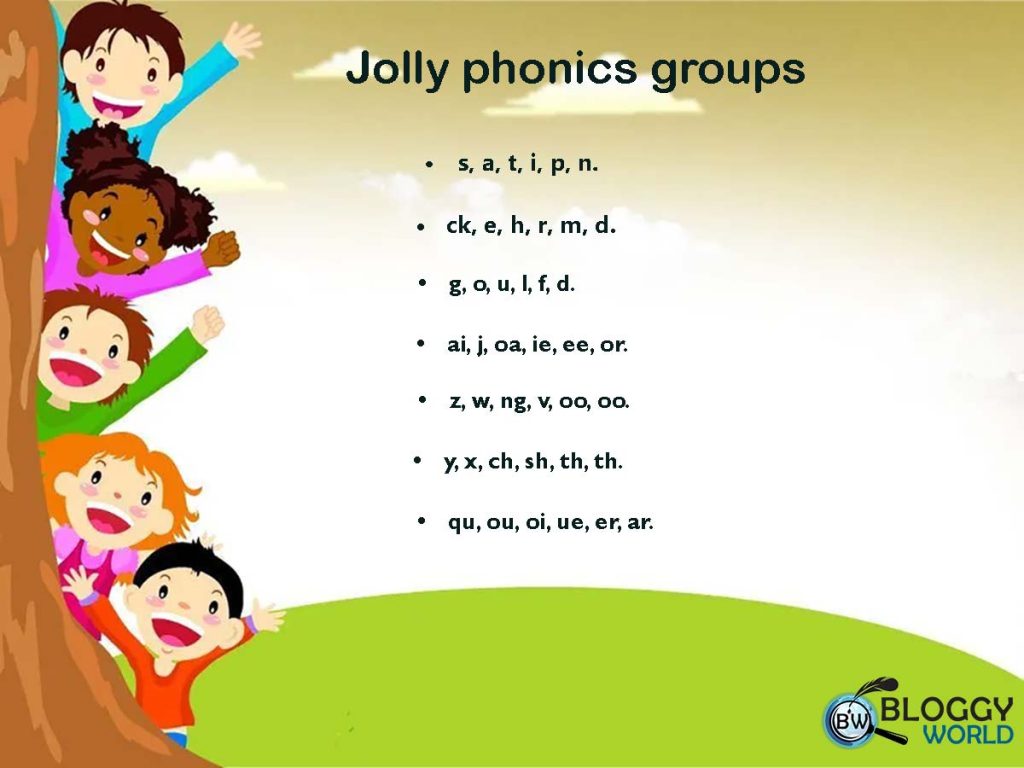
When homeschooling, correct order to teach phonics is an important first step in your child’s phonics reading journey. Using fun activities and games can make learning enjoyable and help your child build a strong foundation in phonics. Remember, the key is to keep it fun and engaging so that your child stays excited about learning.
Important Note: It’s not necessary to follow one specific pattern, like ABCs or the Jolly Phonics pattern. Instead, choose the approach that you think is easiest for you and your child. This is just a helpful guide or a method you can follow, but feel free to adapt it to suit your needs and preferences.