You spot blood while brushing, and a chill runs down your spine Wondering what causes bleeding gums and how to treat them? Is it just your toothbrush, or is it your body trying to warn you? Bleeding gums might seem harmless at first, but they could be a ticking time bomb for your oral health. Left unchecked, this silent problem can escalate into serious conditions like gum disease or even tooth loss. Bleeding Gums Causes: Warning Signs Behind Oral Health? Want to know what’s really behind the blood and how to stop it? Let’s unravel the mystery and protect your smile for good!
What Causes Bleeding Gums?
Bleeding gums are often a sign of gum irritation or diseases like teeth grinding, diabetes, hormone fluctuations, and vitamin deficiencies. Here are the most common causes of bleeding gums:
Medications: Blood-thinning medications can increase the likelihood of bleeding gums.
Poor Oral Hygiene: Plaque buildup along the gumline can irritate gums, causing them to bleed.
Gingivitis: The early stage of gum disease, characterized by red, swollen, and bleeding gums.
Periodontitis: An advanced gum disease that damages the gums and bone supporting your teeth.
Aggressive Brushing or Flossing: Brushing too hard or using incorrect flossing techniques can harm your gums.
Vitamin Deficiencies: Lack of Vitamin C or K can make gums prone to bleeding.
Hormonal Changes: Pregnancy or menopause can make gums more sensitive.
Medical Conditions: Conditions like diabetes or blood disorders can affect gum health.
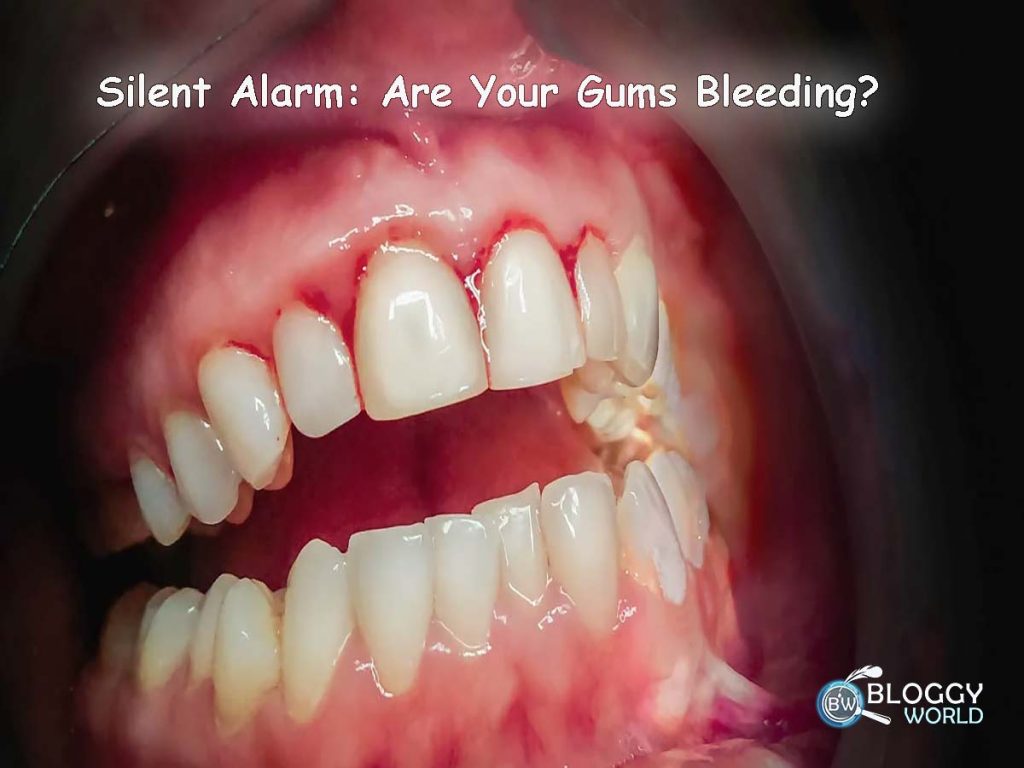
Why Are My Gums Bleeding?
Bleeding gums can occur for several reasons, ranging from mild issues to more serious conditions. Here are the most common causes of bleeding gums:
- Poor Oral Hygiene: Plaque and tartar buildup can irritate your gums, leading to inflammation and bleeding (gingivitis).
- Brushing or Flossing Too Hard: Aggressive brushing or flossing can damage sensitive gum tissue.
- Gum Disease: Periodontal disease is a serious condition that causes bleeding, gum recession, and even tooth loss if left untreated.
- Vitamin Deficiencies: Lack of Vitamin C or K can make your gums more prone to bleeding.
- Hormonal Changes: Pregnancy or hormonal fluctuations can cause increased gum sensitivity and bleeding.
- Infection: Viral or fungal infections in the mouth may lead to gum bleeding.
If your gums bleed frequently or for no clear reason, it’s best to consult a dentist. Early diagnosis can help prevent complications and protect your oral health.
Symptoms of Bleeding Gums?
Bleeding gums are often a sign of underlying oral or general health issues. Here are the most common symptoms to watch for:
Blood While Brushing or Flossing
Seeing blood on your toothbrush or in the sink is the earliest and most noticeable symptom.
Red or Swollen Gums
Inflammation and redness often accompany bleeding, indicating irritation or gum disease.
Tender or Painful Gums
Your gums may feel sore or sensitive, especially while eating or brushing.
Bad Breath (Halitosis)
Persistent bad breath can signal an infection or buildup of plaque and tartar.
Receding Gums
Gums pulling away from the teeth might be a sign of advanced gum disease.
Loose Teeth
In severe cases, weakened gums can cause teeth to feel wobbly or shift.
Pus or Discharge
Pus near the gumline is a sign of a serious infection requiring immediate attention.
Dark or Discolored Gums
Gums may appear darker or purple due to poor blood circulation or severe inflammation.
If you experience any of these symptoms persistently, it’s essential to consult a dentist. Early detection can prevent more serious conditions like periodontitis or tooth loss.

What Medical Conditions Can Cause Bleeding Gums?
Bleeding gums are not always caused by poor oral hygiene. Sometimes, underlying medical conditions can contribute to gum bleeding. Here are some of the most common causes:
1. Gingivitis
The most common cause, gingivitis, is the early stage of gum disease caused by plaque buildup. It leads to inflammation, swelling, and bleeding gums.
2. Periodontitis
Advanced gum disease that damages the tissues and bones supporting the teeth, often resulting in persistent gum bleeding.
3. Vitamin Deficiencies
Deficiency of Vitamin K: Affects blood clotting and can lead to gum bleeding.
Vitamin C Deficiency (Scurvy): Weakens gums and tissues, causing bleeding.
4. Blood Disorders
Hemophilia: A disorder affecting the blood’s ability to clot, increasing the likelihood of bleeding.
Leukemia: A type of blood cancer that can cause swollen, bleeding gums.
Thrombocytopenia: Low platelet count can make it harder for the blood to clot, leading to gum bleeding.
5. Diabetes
High blood sugar levels can impair gum health, making them more prone to inflammation, infection, and bleeding.
6. Hormonal Changes
Pregnancy, menopause, or puberty can increase gum sensitivity, leading to bleeding.
7. Infections
Viral or fungal infections, like herpes or candidiasis, can cause gum irritation and bleeding.
8. Poor Immune Function
Conditions like HIV/AIDS weaken the immune system, making the gums more susceptible to bleeding and infection.
9. Certain Medications
Blood thinners, like aspirin or warfarin, and some chemotherapy drugs can make gums more prone to bleeding.
10. Stress or Poor Health
Chronic stress weakens the immune system, increasing the risk of gum disease and bleeding.
If your gums bleed frequently and you suspect an underlying medical condition, consult both a dentist and a healthcare provider for a proper diagnosis and treatment plan.
How to Treat Bleeding Gums?
The treatment for bleeding gums depends on the cause. Here’s how you can manage and treat the problem:
Home Remedies: Rinse with salt water to reduce swelling or use a warm tea bag for minor gum bleeding.
Improve Oral Hygiene: Brush twice daily with a soft-bristle toothbrush and use fluoride toothpaste. Don’t forget to floss daily to remove plaque between teeth.
Use an Antibacterial Mouthwash: This helps reduce bacteria and inflammation in the gums.
When to See a Dentist?
Bleeding gums that persist despite good oral hygiene need professional attention. A dentist can find the causes of bleeding gums and treat issues like gingivitis, periodontitis, or other underlying conditions.
Eat a Balanced Diet: Include foods rich in Vitamin C (oranges, strawberries) and Vitamin K (leafy greens).
Visit Your Dentist Regularly: Professional cleanings remove tartar and address early signs of gum disease.
Switch Your Toothbrush: Use an electric toothbrush or one with soft bristles to prevent irritation.
Stay Hydrated: Drinking water helps flush out food particles and bacteria.
Preventing Bleeding Gums:
The simplest and most effective way to prevent gum disease is by following this oral care routine:
Stay proactive with regular dental checkups.
Brush and floss daily using gentle techniques.
Maintain a healthy diet with plenty of vitamins.
Avoid smoking, as it increases the risk of gum disease.
Replace your toothbrush every three months.
FAQs About Bleeding Gums:
1. Why do my gums bleed while brushing?
Bleeding while brushing is often due to plaque buildup or brushing too hard. Switching to a softer toothbrush and improving your oral hygiene can help.
2. Can stress cause bleeding?
Yes, stress can weaken your immune system, making you more susceptible to gum infections and bleeding.
3. Are bleeding gums reversible?
If caught early (gingivitis), bleeding gums can be reversed with proper care and professional treatment.
4. What toothpaste is good for gums?
Look for toothpaste designed for oral health, such as those containing fluoride or antibacterial agents.
5. Can bleeding gums be a sign of something serious?
Persistent bleeding can indicate serious issues like periodontitis or teeth grinding, diabetes, hormone fluctuations, and vitamin deficiencies., so it’s important to consult a dentist.
Bleeding Gums Causes: Warning Signs Behind Oral Health?. Find out causes of bleeding gums today. Whether it’s improving your daily brushing habits, adopting a healthy diet, or visiting the dentist, taking action now can prevent serious problems later. Start taking care of your gums today, because a healthy smile is priceless!