The future of work is changing fast, due to new technology. Having a traditional degree isn’t as valuable as it used to be. With the rise of artificial intelligence (AI) and automation, practical skills have become far more important. This shift from valuing degrees to prioritizing skills is changing the job market, how we approach learning, and career development.
Let’s explore The Future of Work in the Age of AI: Skills or Degrees? Why do skills matter more than degrees in today’s tech-driven world, what is the impact of AI on jobs, and how can building new skills through upskilling and reskilling help secure your career? We’ll also address popular questions like, “Will degrees lose their value?” and “What skills are needed in the age of AI?” Let’s explore the skills vs. degrees and how you can prepare for the future.
Why Skills Matter More Than Degrees in the AI Era
1. Adjusting to Fast-Paced Changes
Technology is evolving so quickly that traditional education can’t always keep up. Skills like coding, data analysis, and digital marketing often change, and degrees don’t always cover the latest trends. Employers now look for people who can quickly learn and adapt, which is often more valuable than a four-year degree.
2. AI and Automation: Future of Jobs
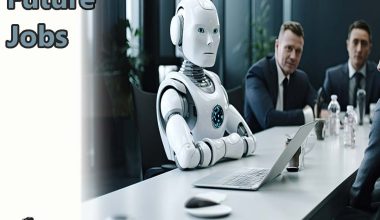
AI and automation are changing or even eliminating certain jobs but are also creating new opportunities. As AI takes over repetitive tasks, jobs that need critical thinking, creativity, and problem-solving are growing. Skills like strategic planning and effective communication—ones that can’t easily be automated—are now the future of work. Having the right skills can better prepare you for these roles than a traditional degree.
3. Skills vs. Degrees: Practical Value
Degrees provide theoretical knowledge, but skills offer hands-on experience. Employers increasingly value real-world abilities over academic theory, especially for jobs that require practical knowledge, like digital marketing, coding, and project management.
The Future of Work: When Technology Meets Skills
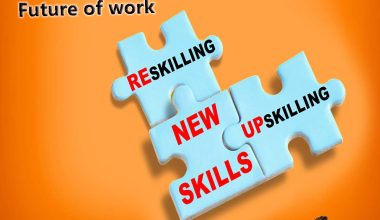
The concept of “jobs of the future” might sound futuristic, but it’s already happening. Fields like AI, machine learning, cybersecurity, and blockchain are reshaping industries, and these fields don’t necessarily require a degree but rather practical, hands-on knowledge. In this new landscape, upskilling (learning new skills) and reskilling (retraining in a different skill set) are essential for job security and career advancement.
Online courses, boot camps, and certification programs are becoming popular as they offer specialized knowledge quickly and affordably. These micro-credentials allow workers to demonstrate specific skills, making them more appealing to employers in fast-evolving fields.
Upskilling and Reskilling: Essential for Career Growth
Upskilling and reskilling are essential for keeping up with changes in the future of work. For example, a marketer may need to learn data analytics or SEO to remain competitive. Those who invest in upskilling and reskilling are better prepared to transition between roles and industries as technology evolves.
Skill-Based Hiring: The New Standard
More companies are adopting skill-based hiring practices, focusing on abilities rather than academic credentials. Tech giants like Google, Tesla, and Apple have already started valuing skills over degrees, opening up opportunities for skilled individuals who may not hold traditional qualifications.
The Rise of Micro-Credentials and Certifications
Online courses, boot camps, and certification programs are becoming popular as they offer specialized knowledge quickly and affordably. These micro-credentials allow workers to demonstrate specific skills, making them more appealing to employers in fast-evolving fields.
FAQs About Skills vs. Degrees:
Will degrees become obsolete?
Not entirely. While degrees still hold value in certain fields, especially in regulated professions like medicine and law, many other industries now prioritize skills over degrees.
What skills are most in demand in the age of AI?
Skills like data science, machine learning, cloud computing, and cybersecurity are highly sought after, along with soft skills like creativity, adaptability, and emotional intelligence.
How can I start upskilling or reskilling?
There are many online platforms like Coursera, Udacity, and LinkedIn Learning where you can acquire new skills. Bootcamps and short courses are also excellent for gaining practical experience.
Is it possible to get a high-paying job without a degree?
Yes, in many fields like tech, digital marketing, and project management, people can secure high-paying roles based solely on their skillset and experience.
Preparing for a Skill-Driven Future:
The shift toward a skill-based economy is already happening, and it’s crucial to stay ahead of the curve. By investing in relevant skills, upskilling, and reskilling, you can future-proof your career, adapt to changing technology, and open up new career opportunities. In the age of AI, your skills will ultimately define your success more than a traditional degree ever could.