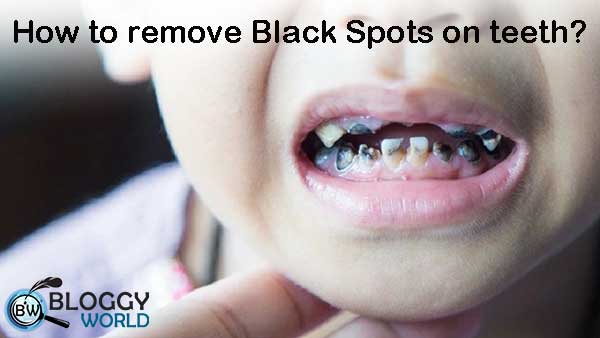
Children’s Dental Health:
Every parent wishes the best health for their child, and dental health is no exception. While baby teeth (primary teeth) might be temporary, their health sets the stage for permanent teeth. However, many parents are confronted with a perplexing issue: black teeth in their kids. Is it normal? What can be done?
Is it Normal for Kids to Have Black Teeth?
First and foremost, while it’s not ‘normal’ in the sense of being standard, it’s not entirely uncommon for kids, especially toddlers, to show signs of tooth discoloration. The reasons can range from dietary habits to oral hygiene practices, and sometimes even underlying medical conditions. It’s essential to understand the causes to ensure optimal oral health for your child.
Causes of Black Teeth in Kids:
Black stain (BS) in primary teeth is a specific type of external discoloration observed in 2.4-21% of all children. Understanding why a child’s tooth might turn black is the first step in prevention and treatment.
- Cavities and Tooth Decay: Often, a black or brown stain indicates a cavity. When bacteria thrive on leftover food particles in the mouth, they produce acids. These acids can erode the tooth enamel, leading to cavities. Initially, the decay might appear as white spots. If left untreated, these spots can darken and turn teeth black or gray.
- Too much iron: Iron-rich water or iron supplements (including fortified rice cereals) can cause a gray or black stain on your child’s teeth. This staining is not harmful to teeth and is easily brushed away by a parent’s help during teeth brushing time.
- Tooth discoloration after Trauma: If your child has had a fall or bumped their tooth, it could result in discoloration. Children are naturally active, and falls or bumps are part of growing up. However, tooth discoloration after trauma can damage the internal blood vessels of the tooth, leading to internal bleeding. This blood can darken the tooth from the inside out, giving it a grey or black appearance.
- Tartar: Tartar is a hard deposit of plaque that can build up on the teeth and usually appears below the gum line. Some forms of tartar are black.
- Prolonged Exposure to Certain Foods and Drinks: Dark foods and beverages can stain teeth, especially without proper oral hygiene. Foods high in pigments like berries, and beverages like grape juice or cola, can stain teeth if consumed frequently.
- Specific Medications and Medical Conditions: Some medicines or health conditions might cause teeth discoloration or gray teeth. Some medications, when administered to children, can lead to tooth discoloration. Similarly, certain medical conditions or infections during infancy can affect the developing tooth enamel.

Why is My Kid’s Tooth Turning Black and Why Do Teeth Turn Black?
A single blackened tooth might indicate localized issues, such as Tooth discoloration after Trauma or a cavity. However, multiple blackened or grey teeth often result from broader factors like diet, medications, or even genetic predispositions in primary teeth.
Symptoms to Recognize:
Spotting the early signs can make all the difference in prevention and treatment. Here are some symptoms and their implications:
- Visible Black or Brown Spots: This often indicates cavities or external staining. A visit to the dentist can clarify the cause.
- Toothache or Discomfort: Indicates potential decay or infections. Continuous pain or sudden discomfort when consuming hot, cold, or sweet items might signify a cavity or a cracked tooth.
- Teeth Black Near Gums & Toddler Teeth Black Near Gums: This can be a sign of advanced decay or gingival issues. Blackening near the gums can also signify potential gum disease.
- Bad Breath or Foul Taste: This can indicate bacterial buildup, potential cavities, or gum infections.
- Swelling or Tenderness Around the Affected Tooth: In a few cases the tooth can abscess due to the death of the pulp inside the tooth. The body can’t get in there to heal. An abscessed tooth or severe infection might be the culprit here.
Reasons behind the Prevalence in Kids:
Modern diets are becoming increasingly rich in sugars and acids. Frequent snacking without brushing, bedtime bottles filled with juice, and irregular dental visits can all contribute to the prevalence of black teeth in toddlers as well as kids‘ primary teeth.
- What Causes Black Teeth in Toddlers?: High sugar diets, insufficient fluoride, or infrequent brushing can lead to black teeth.
- High Sugar Diets: Sweets and sodas can erode enamel and contribute to decay.
- Poor Oral Hygiene Practices: Not brushing twice daily or improper brushing techniques can leave teeth vulnerable.
- Lack of Regular Dental Check-ups: Regular dental visits can catch and treat problems early.
Prevention Measures
- How Do You Get Rid of Black Teeth for Kids & How Do You Remove Black from Teeth?: Regular brushing using the right technique, flossing, and using mouthwashes suitable for kids can help. Moreover, being mindful of diet and reducing sugary foods and drinks is crucial for the dental health of kids’ primary teeth.
- Regular Dental Check-ups: Ensures early detection and treatment. Dentists can identify and treat potential problems long before they become visible or painful.
- Effective Brushing and Flossing Techniques: Removes plaque and prevents cavities. Teach kids the importance of brushing twice daily using fluoride toothpaste. Flossing, though challenging for young ones, can be introduced as they grow.
- Diet Considerations: Reducing sugar and acid intake to prevent enamel erosion. Limit sugary snacks and drinks. Encourage the consumption of water, especially after eating, to rinse away potential acid and sugar.
- Dental Sealants and Fluoride Treatments: Offers extra protection against decay. These are protective coatings applied to the back teeth, preventing cavities in areas most susceptible to decay.
- How to Remove Black Stains on Baby Teeth: Regular cleanings at the dentist and using a soft-bristled toothbrush can help in kids’ dental health.
Treatment Options:
There are several treatments available:
- My Child’s Tooth Is Turning Dark – What Do I Do?: Consulting with a pediatric dentist is the first step. They can assess the severity and recommend treatments.
- Fillings for Cavities: To restore the health and appearance of the tooth.
- Root Canals for Deeper Infections: In severe cases where decay reaches the tooth’s nerve.
- How to Fix a Grey Tooth Toddler: If a tooth turns grey due to trauma, a dentist might monitor the tooth, or in extreme cases, recommend extraction.
- Tooth Extractions in Severe Cases: Sometimes necessary to prevent the spread of infection.
- Restorative Options Like Crowns or Caps: To restore the appearance and function of damaged teeth.

Conclusion
The sight of black teeth (gray teeth) in kids can be alarming for kids’ dental health. However, understanding the reasons behind it and the available preventive measures can help address the issue head-on. Regular dental check-ups, good oral hygiene practices, and a balanced diet are keys to preventing such problems. Remember, early detection and intervention are crucial.