Where to start homeschooling?
Homeschooling is a progressive movement. The homeschooling movement began growing in the 1970s when some popular authors and researchers—such as John Holt and Dorothy and Raymond Moore—started writing about educational reform. Homeschooling can be exciting for your child. If you choose to start homeschooling, you will find homeschooling Communities, Step-by-Step Guide to Start Homeschooling, and methods of homeschooling. In this article, we will present a guide to the primary measures you should take when embarking on homeschooling and offer valuable suggestions and concepts to assist you.
How can I Homeschool my child?
Homeschooling your child is a big decision. If it’s something that you’re thinking about doing, you might not even be sure where to begin. While the process may seem overwhelming, it’s important to keep in mind that it doesn’t need to be. Here are some steps to help you get started:
1. Research Homeschooling Laws:
Familiarize yourself with the homeschooling laws and regulations in your country or state. Each jurisdiction may have specific requirements and guidelines that you need to follow. Understand the legal requirements, such as notifications, record-keeping, assessments, and any necessary qualifications or reporting.
Begin Anytime: you can start Homeschooling any time of the year and at any stage or age.
Timing Matters: What is the appropriate time to start Homeschooling? This is the biggest question of every parent. Some parents think the end of the year is appropriate for this research. At that time you can have ample time to start and research.
Educate Yourself: It is essential for every parent to think about why they a starting Homeschooling. what you hope to achieve through homeschooling for your family. Remember, it’s normal to encounter concepts or information that may be unfamiliar initially, so don’t be discouraged.
2. Connect with parents Who are already Homeschooling:
Connect with other homeschooling families or organizations in your area. Participating in homeschooling communities can provide support, advice, and opportunities for socialization for both you and your child. Online communities and forums can also be valuable sources of information and support. A conversation with experienced homeschooling parents is a great way to get your questions answered, and better understand the commitment, pros, and cons of this educational choice.
3. Join Homeschooling Communities to start homeschooling:
Ask around, find groups on Facebook, or do a little research online, but make sure that you find others who have been down this path before. Connect with other homeschooling families or homeschooling communities in your area. Participating in homeschooling groups can provide support, advice, and opportunities for socialization for both you and your child. Online homeschooling communities and forums can also be valuable sources of information and support. Homeschoolers are an especially open group who want to share their experiences with you and help you during the process.
4. Have a conversation with your kids:
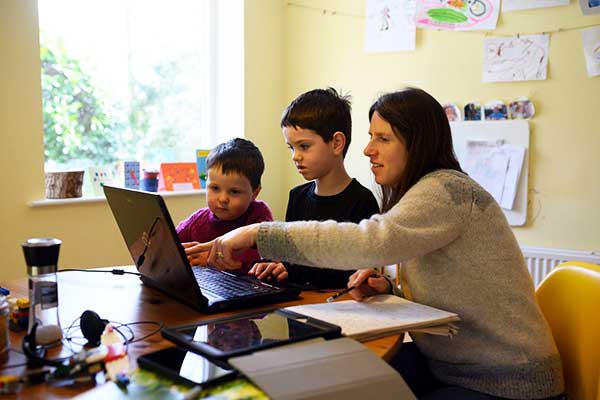
Find out what your kids want and don’t want. While homeschooling may be the best option for everyone involved, there may be some anxiety or nervousness regarding the unknown. Parents should know about the likes and dislikes of their kids. They should set the curriculum according to their kid’s interests. Your child is absolutely unique and amazing, and finding out how your child learns and what motivates them is key to choosing a curriculum that your family will enjoy this year! Taking both your homeschool teaching method and your child’s learning preferences into account is an important part of creating a solid homeschool foundation.
5. Set Clear Goals:
Establish educational goals for your child. Consider their academic, social, and personal development. Outline the skills, knowledge, and values you want them to acquire through homeschooling.
6. Choose a method for Homeschooling:
There are several homeschooling methods or approaches that parents can choose from based on their educational philosophy, teaching style, and their child’s learning needs. Here are some popular homeschooling methods:
- Traditional Method: This method follows a structured approach similar to traditional school settings. It emphasizes textbooks, workbooks, and teacher-led instruction with a focus on academic subjects such as math, science, history, and language arts.
- Classical Method: The classical method is based on the Trivium, which divides education into three stages: the grammar stage, the logic stage, and the rhetoric stage.
- Montessori Method: This method emphasizes self-directed learning and hands-on activities. It focuses on creating a prepared environment with materials that encourage exploration, independence, and the development of practical life skills.
- Unit Studies: In this approach, subjects are taught thematically, integrating multiple subjects into a central theme or topic.
- Unschooling: Unschooling is a child-led approach where learning is driven by the child’s interests, curiosity, and natural inclination to explore.
- Charlotte Mason Method: This method emphasizes living books, nature study, and short lessons. It focuses on developing good habits, and nurturing a love for literature and the arts.
- Eclectic Homeschooling: Eclectic homeschooling is a flexible approach that combines elements from various methods and resources. Parents can tailor the curriculum based on their child’s strengths, interests, and learning styles.
It’s important to note that these methods of homeschooling are not mutually exclusive, and many homeschooling families choose to incorporate different elements from multiple approaches to create a customized educational experience for their children.
7. Select Curriculum and Resources:
Research and choose appropriate curriculum materials, textbooks, online resources, and educational tools that align with your goals and approach. Consider subjects such as math, science, language arts, history, and any additional areas of interest.

Best Websites for Homeschooling:
- Best Budget: ABCmouse.com
- Most Customizable: K12.com
- Best for Structure: Time4Learning
- Best for Community: Connections Academy
- Best Free: Khan Academy
- Best for College Prep: edX
- Best for Math and Science: CK-12 Foundation
8. Create a Schedule:
Develop a flexible daily or weekly schedule to start homeschooling. Determine the number of hours you plan to dedicate to each subject and allow for breaks, extracurricular activities, and other interests. Adjust the schedule as needed to accommodate your child’s learning pace and family routine.
Our child’s age is a significant factor in choosing which curriculum you will use. There is a big difference between how long and what a 5-year-old can do versus that of a high-school student. Keep this in mind when looking at texts, videos, and workbooks.
9. Plan Lessons:
Break down the curriculum into manageable units or lessons. Create detailed lesson plans with learning objectives, activities, and assessment methods. Incorporate a variety of teaching strategies, such as lectures, discussions, hands-on experiments, field trips, and educational games.
10. Set Up a Learning Space:
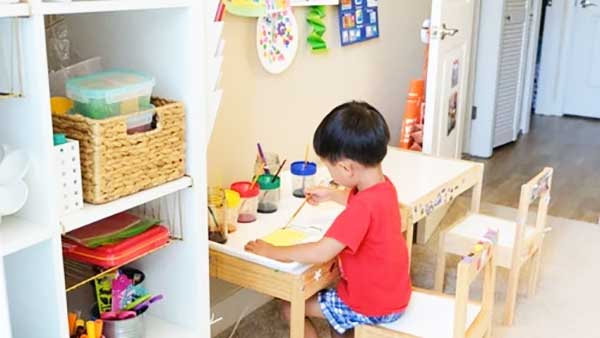
Designate a dedicated space in your home to start homeschooling. Organize it with the necessary supplies, books, and materials for each subject. Ensure the environment is comfortable, well-lit, and conducive to learning.
11. Create a budget to calculate the cost you want to spend
A budget is helpful to keep you from spending too much at the beginning of the school year. You may want to reserve some money for later in the year in case you change curricula, need to hire a tutor or come across a fantastic video game coding class. Instead, focus on how you want to spend the money: field trips, vacations, etc.
12. Attend homeschool conferences:
Many states offer homeschool conferences and conventions that allow you to touch and feel different curriculums. At these conventions, you can listen to veteran homeschoolers and experts cover multiple topics that may be helpful when you’re getting started.
13. Review and Adapt:
Regularly review your homeschooling approach, curriculum, and goals. Assess what is working well and what needs adjustment. Stay open to changes and adapt your methods to suit your child’s evolving needs and interests.
Homeschooling is a journey filled with many baby steps over many years. Don’t worry if your homeschool does not look like someone else’s or if you use a different method than your neighbor. Just start homeschooling. As every child is unique, your version of homeschooling will be too. Instead, breathe and soak it all in. Enjoy these years at home together!