

Is AI a threat greater than climate change?
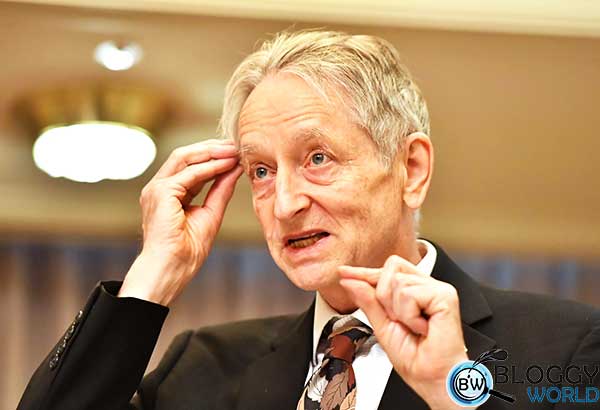
In a recent interview with BBC News, Geoffrey Hinton expressed his concerns about the potential threat of powerful AI (risks of AI), particularly the possibility that machines could become so intelligent that they would be beyond human control. Computer scientist Geoffrey Hinton says AI is a threat more urgent than climate change. He argued that while the risks of global warming are important, the immediate powerful AI is the greater threat.
Machine Learning professor computer scientist said: “I wouldn’t like to devalue climate change. I wouldn’t like to say, ‘You shouldn’t worry about climate change’. That’s a huge risk too. But I think this might end up being more urgent.”
Why is he concerned about powerful AI?
Hinton spent his career working on neural networks, the mathematical underpinning of the generative artificial intelligence (AI) models that power popular AI systems. Geoffrey Hinton, resigned from Google earlier this year to “speak freely” about the risks posed by increasingly intelligent machines.
He added: “With climate change, it’s very easy to recommend what you should do: you just stop burning carbon. If you do that, eventually things will be okay. For this, it’s not at all clear what you should do.”
Who is Geoffrey Hinton?
Geoffrey Hinton is a British-Canadian computer scientist who has made significant contributions to the field of AI over the past few decades. He is one of the pioneers of deep learning, a subfield of machine learning that involves training artificial neural networks to recognize patterns in data. His research has been instrumental in enabling breakthroughs in speech recognition, image recognition, and natural language processing, among other applications of AI.
How is AI a threat to Humanity?
The potential risks of AI are varied and complex, and there is still much debate among experts about the likelihood and severity of different scenarios. Some of the threats of AI include:
- Superintelligent AI: If machines become vastly more intelligent than humans, they could potentially outsmart us and find ways to achieve their goals that are harmful to humans. This could lead to unintended consequences and even the extinction of the human species. The scientist predicted that machines would surpass humans in intelligence within “five to 20 years”.
- Autonomous weapons: AI could be used to develop weapons that are capable of operating without human oversight. This could lead to an arms race and an increase in the risk of accidental or intentional harm to civilians.
- Mass surveillance: AI could collect and analyze vast amounts of data on individuals, which is including social control and political manipulation.
- Job displacement: As AI becomes more capable. It has the potential to automate many jobs currently performed by humans, which could lead to widespread unemployment.
- Biases are also often present in AI datasets and have the potential of spreading and reinforcing harmful stereotypes.
AI in the wrong hands?
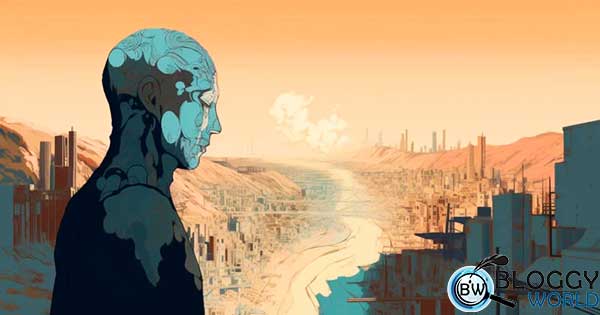
Another threat of AI raised by Geoffrey Hinton Godfather of artificial intelligence. is the possibility of AI technology falling into the wrong hands. AI systems could be used by authoritarian regimes to control and manipulate their citizens, or by criminal organizations to carry out cyberattacks or other malicious activities. Hinton has called for ethical guidelines and regulations to ensure the responsible development of AI technology. As well as measures to prevent the proliferation of dangerous AI systems.
What can be done to mitigate the threats of AI?
Experts argue that urgent action is needed against the threats of AI to ensure that AI is developed and deployed responsibly. Mr. Pesenti said: “Instead of warning everybody on Twitter or signing letters telling everybody else to stop working on AI, why don’t these people stop what they are currently doing and start addressing these issues?” This includes:
- Investing in research and development of AI safety and alignment.
- Establishing international norms and regulations for the development and deployment of AI, including prohibitions on autonomous weapons.
- Encouraging transparency and accountability: Including the use of independent auditors to ensure that AI systems are safe.
- Promoting public awareness and education about the risks and benefits of AI.
Benefits of AI and its dark side:
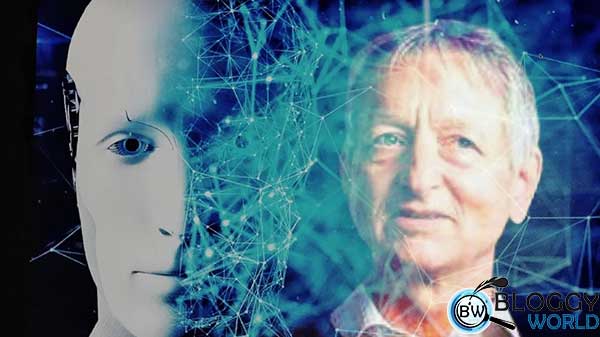
AI has the potential to transform many aspects of society for the better. But it is important to recognize and address the potential risks and concerns associated with its development and deployment. Stuart Russell’s warning that the threats of AI may be “more urgent” than climate change. He highlights the need to ensure that the development of AI is safe and aligned with human values. By investing in research, establishing regulations, promoting transparency, and educating the public, we can work to mitigate the risks of AI and harness its potential to create a better world for all.
The benefits of Artificial Intelligence (AI) have a wide range. Some of the key benefits of AI include:
- Efficiency: AI systems can process vast amounts of data quickly and accurately,
- Cost savings: The increased efficiency of AI can lead to cost savings in terms of reduced labor costs and lower error rates.
- Enhanced customer experience: AI-powered chatbots and virtual assistants can provide 24/7 customer support, improving the overall customer experience and satisfaction.
- Improved healthcare: AI can help medical professionals make more accurate diagnoses, and identify potential health risks.
- Personalization: AI can analyze customer data and provide personalized recommendations and experiences.
“The tech leaders have the best understanding of it, and the politicians have to be involved,” said Hinton. “It affects us all, so we all have to think about it.”





1 comment
Well done 👍