The Miracle Tree:
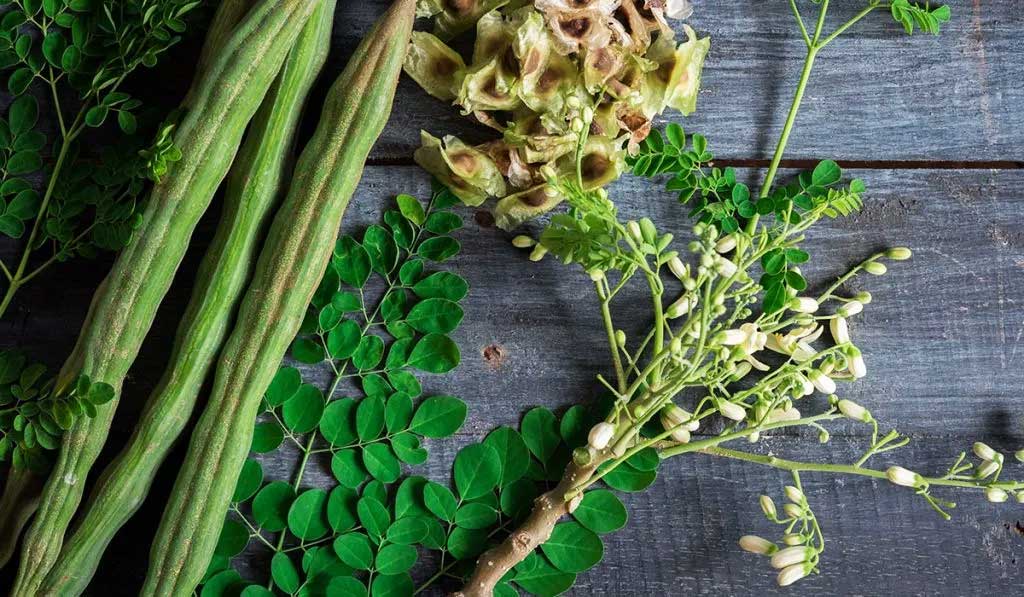
The Nutritional Value of Moringa Oleifera is very high. Moringa Oleifera is a plant that is often called the drumstick tree, the miracle tree, the Ben oil tree, or the Horseradish tree. It is mostly cultivated in the tropics and subtropics Moringa oleifera tree is called a miracle tree, Moringa tree. Every part of the Moringa plant is edible. “Moringa oleifera (The Drumstick Tree)leaves, moringa seeds, bark, roots, sap, and flowers are widely used in traditional medicines and industrial purposes”. The objective of the study was to assess the nutritional value of Moringa and its health benefits.
What are the Active Compounds in Moringa?
Moringa leaves are known as a very good food source which is easily digestible and rich in proteins. Several bioactive compounds are present in its leaves such as:
- vitamin A
- vitamin B1
- B2
- B3 (niacin), B-6
- folate and ascorbic acid (vitamin C)
- calcium
- potassium
- iron
- magnesium
- phosphorus
- zinc
Nutritional value of Moringa oleifera:
It is also extremely low in fats and contains no harmful cholesterol. The leaves have 7 times more vitamin C than oranges and 15 times more potassium than bananas. Moringa leaves are an excellent source of many vitamins and minerals. According to research, one cup of fresh, chopped moringa leaves (21 grams) contains:
- Protein: 2 grams
- Vitamin B6: 19% of the RDA
- Vitamin C: 12% of the RDA
- Iron: 11% of the RDA
- Riboflavin (B2): 11% of the RDA
- Vitamin A (from beta-carotene): 9% of the RDA
- Magnesium: 8% of the RDA
How many diseases Moringa can cure?
Indians and Africans have long used the Moringa oleifera tree in herbal medicine and often refer to it as a panacea that can cure more than 300 diseases. Use of the Moringa tree maintains your health and prevents various diseases, including:
- It can Lower Blood Sugar Levels
- Reduce Inflammation
- It Can Lower Cholesterol
- Moringa oleifera May Protect Against Arsenic Toxicity
- Moringa is good for weight loss
- Protects the Liver
- Protects Against Arsenic Toxicity
- Good for the Stomach
- Improves Bone Health
- Improve Lactation
- It is good for the Skin and Hair
- It is good for the Nervous System
- Good for Detoxification
Side Effects of Moringa:
Due to the high Nutritional value of the Moringa tree and its health benefits generally, it is safe to consume, and side effects are rare. Moringa side effects may include:
- Lower blood pressure and slow heart rate because of the alkaloids in the plant.
- Uterine contractions from moringa bark.
- Cell mutations caused by a chemical isolated from roasted moringa seeds.
- Interference with fertility.
- Upset stomach, gas, or diarrhea due to laxative properties.
Uses of Moringa
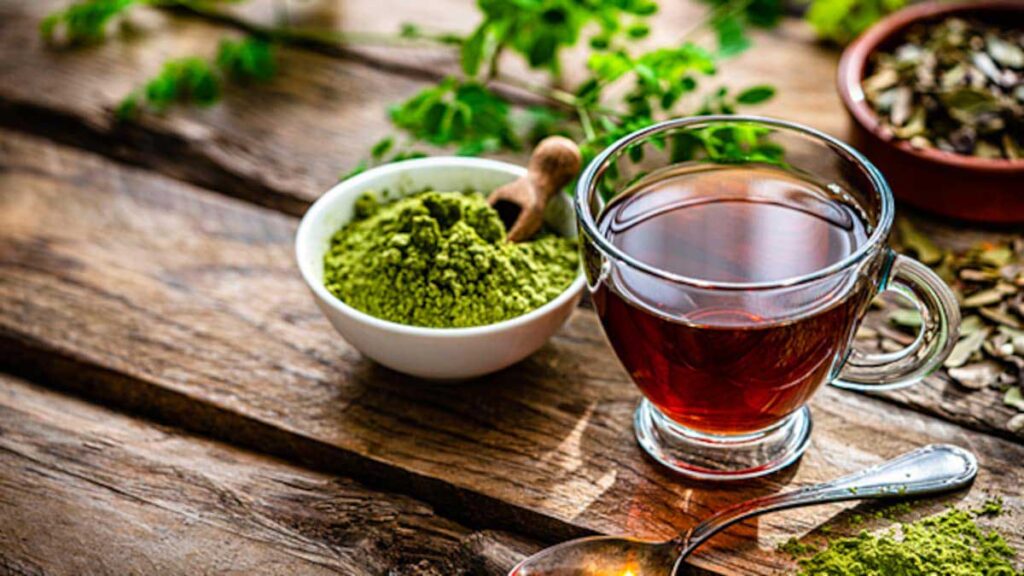
Moringa oleifera is often used in traditional medicine. Due to the nutritional value of the Moringa tree, it helps to combat malnutrition, improve digestion, and boost the immune system. It is also used in various food products, such as moringa tea, smoothies, and energy bars, due to the high nutritional value of Moringa.
The leaves, pods, and seeds of the Moringa plant also known as the drumstick tree can be consumed in many ways, providing a rich source of protein, iron, calcium, and other important nutrients. Additionally, Moringa oil is common in skin and hair care products, thanks to its nourishing and moisturizing properties. Overall, the many uses of Moringa make it a valuable addition to any health-conscious lifestyle.
Consultation with Healthcare Professionals:
Moringa oleifera has a high nutritional value that offers numerous health benefits. However, it is best to consume it in moderation and seek advice from a healthcare professional before adding it to your diet.