

What is depression?
Depression is a serious Mental Health Condition also known as major depressive disorder or clinical depression. If your kid consistently displays persistent sadness or hopelessness and this begins to impact their relationships, they may be suffering from depression in children– a severe mental health condition that requires medical evaluation and treatment. While many people think of depression as an adult condition, children can also experience its symptoms. If left untreated, depression can have long-term effects on a child’s emotional, social, and academic development.
Mental illness, also called mental health disorders, refers to a wide range of mental health conditions — disorders that affect your mood, thinking, and behavior. Examples of mental illness include depression, anxiety disorders, schizophrenia, eating disorders, and addictive behaviors.
Depression is a serious mental health condition. Here, we will discuss Depression (major depressive disorder) in children: Symptoms, Causes, and Treatment.
Many people have mental health concerns from time to time. However a mental health concern becomes a mental illness when ongoing signs and symptoms cause frequent stress and affect your ability to function.
In the years 2016-2019, approximately 5.8 million children aged 3-17 years were diagnosed with anxiety.
During the period of 2016-2019, around 2.7 million children aged 3-17 years, which represents 4.4% of this age group, received a diagnosis of depression.
70,000 children in England were prescribed anti-depressants.
Symptoms of Depression in Children:
Children with depression( major depressive disorder) may display a variety of symptoms. These symptoms can vary depending on the child’s age, personality, and other factors. Some common symptoms include:
- Persistent feelings of sadness or hopelessness
- Irritability or anger
- Loss of interest in activities they used to enjoy
- Difficulty sleeping or excessive sleeping
- Changes in appetite and weight
- Fatigue or low energy
- Feelings of worthlessness or guilt
- Difficulty concentrating or making decisions
- Physical symptoms such as headaches or stomachaches
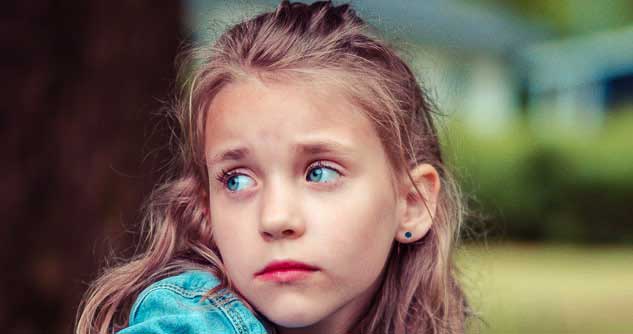
It’s important to note that some symptoms of depression can also be caused by other conditions or life events. However, if a child is experiencing several of these symptoms for a prolonged period of time, it may be a sign of depression in children.
What are the signs of anxiety in children?
Signs of anxiety in children may include:
- Anxiety about the future.
- Fear of being away from a parent.
- Refusal to go to school or take part in social activities.
- Worry that a parent or loved one may die.
Causes of Depression in Children
There are many potential causes of depression in children. Some possible causes include:
- Genetics: Children may be more likely to develop depression if they have a family history of the condition.
- Brain chemistry: Imbalances in certain chemicals in the brain can contribute to depression.
- Life events: Traumatic or stressful events such as the death of a loved one, divorce, or bullying can trigger depression.
- Chronic illness: Children with chronic illnesses may be more prone to depression due to the stress and limitations of their condition.
- Abuse or Neglect: Children who have experienced abuse or neglect may be at a higher risk of developing depression.
- Deficiency of Vitamin B12: Deficiency of Vitamin B12 can cause mood swings, paranoia, irritability, and confusion.
- Deficiency of Vitamin D: Deficiency of Vitamin D can cause active mood disorder.
Treatment of Depression in Children:
If you suspect that your child may be experiencing depression, it’s important to seek professional help. A mental health professional can evaluate your child’s symptoms and develop a treatment plan that is tailored to their specific needs.
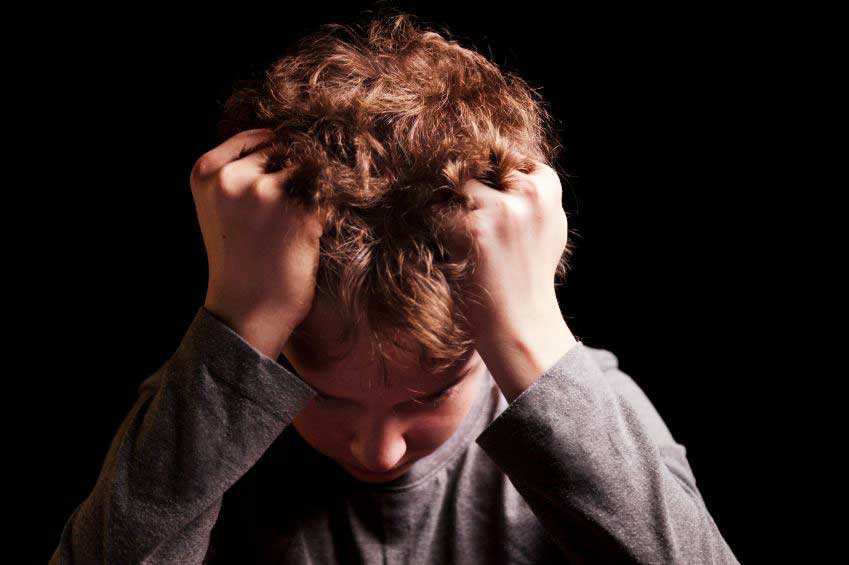
Treatment for childhood depression may include:
- Talk therapy: A therapist can help children work through their emotions and develop coping skills.
- Medication: In some cases, medication may be given to help regulate brain chemistry and reduce symptoms of depression.
- Family therapy: Family therapy can help improve communication and to make relationships strong between family members, which can be beneficial for children.
With the right treatment and support, we can help children with depression to recover and go on to thrive. Remember, early intervention is key to preventing the long-term effects of depression on a child’s emotional, social, and academic development.







1 comment